

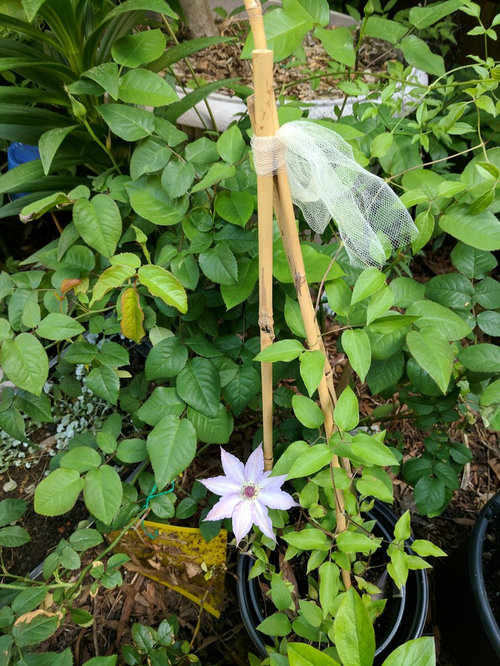
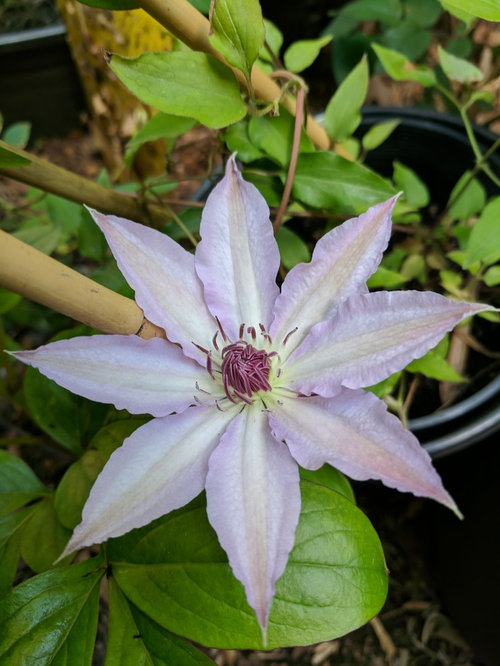
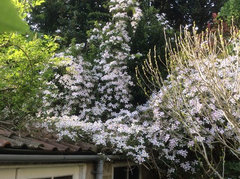
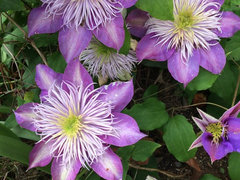
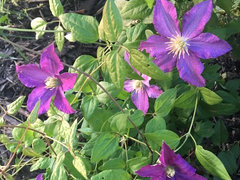
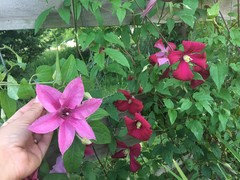
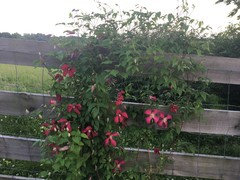
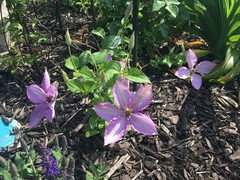
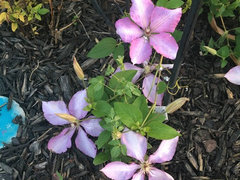
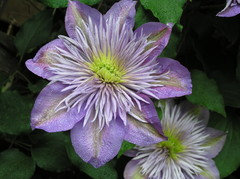
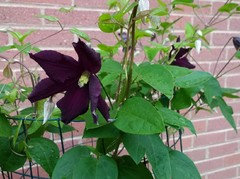
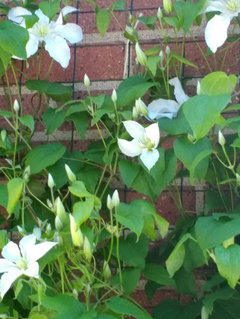
First clematis to bloom
8 years ago
Featured Answer
Sort by:Oldest
Comments (15)
Related Discussions
Stuck for ideas with my garden
Comments (18)Nice mock up pic of the garden but, the slab steps through the lawn, detract from the varying green shades you have (or could have). The summer house is a nice and smart addition. Although, you may feel some are costly, you should view them the same way you would a property extension as, you can potentially, create extra space (or another room) with summer houses which is a positive. In terms of plants for low maintenance, evergreens will always be an option but, don't dismiss flowering plants as, a garden can be your sanctuary, your private, peaceful, place and as, we at Bouquet Gardens believe, your asset for good health. Pops of colour during the flowering seasons could, help change your mood, inspire you or de-stress you throughout the year....See MoreBest winter plants
Comments (11)As Bitsnbats so rightly says, there are plenty to choose from. A couple of winter flowering examples among my favourites are Jasminum nudiflorum, small, bright, yellow flowers sufficient to form a wall of colour usually January to March but out since early December this year, perfect against a north-facing wall, fence or hedge; Lonicera fragrantissima (winter flowering honeysuckle), a bush-forming variety so can be used as a hedging plant or free standing. Both the Jasmine and the Honeysuckle are wonderfully scented too. There are several Hellibore varieties for soft colours at shoe level in wooded or shady areas, often hidden until you get close, a nice surprise. Note the characteristics of where you would like to see the colour, such as aspect (i.e. which direction it is most open to, or completely open), amount of light or shade, soil type (heavy, clay, sandy, loam, acid, alkaline or neutral), whether support is available such as trees, other taller plants, wall, fence, etc, etc, or free standing. There are probably winter flowering plants for that situation....See MoreGarden Maintenance in May
Comments (0)Garden Maintenance in May Top jobs for May 1. Plant out summer bedding at the end of the month. 2. Collect rainwater for irrigation. 3. Hoe regularly between rows on hot days to make sure the weeds dry up and die. 4. Open greenhouse vents and doors on warm days. 5. Mow lawns weekly. 6. Trim hedges (check for nesting birds first). 7. Lift and divide overcrowded clumps of daffodils and other spring-flowering bulbs. 8. Watch out for viburnum beetle and lily beetle grubs. 9. Mulching around the base of your plants will help them to retain moisture around the roots. 10. Keep pots and hanging baskets well watered using collected rainwater wherever possible. Lawn Care - Mow regularly. - Maintain a 3in gutter around the lawn edge. This will prevent grass from creeping into the border. - Apply a high nitrogen summer lawn fertiliser to encourage a healthy-looking lawn. - If moss is a problem, choose a combined fertiliser and mosskiller when feeding the lawn. - A selective lawn weedkiller will kill the weeds but not the grass. - Sowing new lawns or over-seeding dead patches can still be carried out in early May while the ground is moist. - Molehills are often a problem in spring and traps are the most effective way to deal with this problem. Trees, shrubs and climbers - Take softwood cuttings of deciduous shrubs such as Forsythia, Fuchsia and Hydrangea. - Prune out any frost damage on evergreen shrubs. - Cut back tender shrubs such as Penstemon and Fuchsia after the danger of frost has past. - Trim evergreen hedges to keep them neat. Evergreens such as Viburnum tinus can also still be trimmed this month. - Prune spring-flowering shrubs such as Berberis, Choisya and Ribes after they have finished flowering. - Prune overcrowded or dead stems of Clematis montana once it has finished flowering – don’t worry it will take even hard pruning very well. - Late spring is a good time to coppice or pollard (cut back hard) Eucalyptus. - Tie in climbing and rambling roses as near to horizontal as possible to restrict sap flow and result in more flowers. - Remove any reverted green shoots on variegated (leaves with two colours) evergreens, to prevent them reverting to a single colour. Flowers - Put supports in place now for tall herbaceous plants or those with heavy blooms before they are too tall. - Plant out cannas and dahlias when danger of frost is past. - May is a good time to divide herbaceous perennials that you want to propagate or that are getting too big. Dividing will also help the plant to produce new growth. - Bamboos can be divided in the same way. - Divide hostas as they come into growth. - Cut back clumps of spring-flowering perennials such as Pulmonaria and Doronicum to encourage fresh foliage. This will keep the plants size in check and flower better next year. - Divide primroses after flowering and plant them in a nursery bed until they are ready for planting out again in the autumn. - Remove faded wallflowers and spring bedding from beds and pots to make space for summer planting. - Take softwood cuttings of tender perennials to propagate your favourites. - Check pot plants for signs of being root bound. - Deadhead tulips and daffodils but allow the foliage of daffodils and other spring-flowering bulbs to die down naturally rather than tying in knots. - Apply a liquid fertiliser to spring bulbs after they have flowered will help prevent daffodil blindness and encourage a good display next year. Greenhouse and houseplants - Train new stems of passionflowers over their frames. - Apply shade paint to the outside of the glass or similar measures to prevent temperatures soaring in your greenhouse on sunny days. - Wet the floor of your greenhouse regularly on hot days to increase humidity levels and reduce the risk of pests such as glasshouse red spider mite. Ponds - Divide and plant waterlilies if not done last month. - Thin out, cut back or divide excessive new growth on aquatic plants. - Clean out pond filters. - Plant any new aquatic plants you fancy this month. - Fish will need feeding - a little and often is best. - Remove blanket weed. Soft Landscaping - Use a pressure washer to remove algae from paths. An algae killer may help. - Remove dirt and algae from walls, paving and patios. - Repair pergolas, arbours and arches as necessary. - If the weather is dry you can treat fences, sheds etc with wood preservative and stain. Use a recent preservative as some of the older chemicals are now illegal (such as old creosote)....See MoreBudget garden makeover
Comments (47)Hello All, hope you're having a lovely Saturday - just saw Wales win their first Euro 16 match; very happy, now waiting for England. Quick update: cut the grass on a high setting following advice and did some weeding. Decided to jet wash the patio but found that my garden hose had holes in it. Had to dash, in the rain, to Poundstretcher to get a new one. I've never used a jet wash power and had a little taster. See below. Tomorrow, I hope to wash the patio properly but it's hard work. Tommy Turtle's looking a lot better and you can the slabs that I've done so far. Think I need to sweep first as the moss was flying everywhere! A little comparison, of what can be. Hopefully, I will post the results tomorrow. How is everyone getting on with their projects? Keep posting!...See More 8 years agolast modified: 8 years agototoro z7b Md thanked floral_uk z.8/9 SW UK
- 8 years ago
- 8 years ago
- 8 years ago
 8 years ago













Sponsored
Lilyfinch z9a Murrieta Ca