

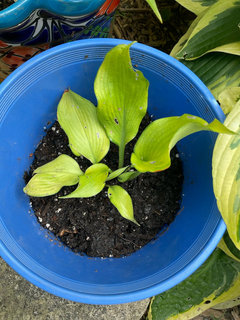
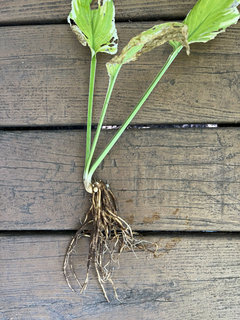
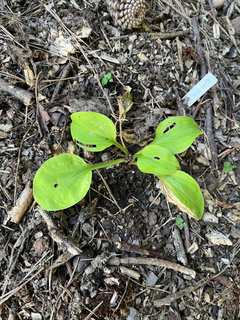
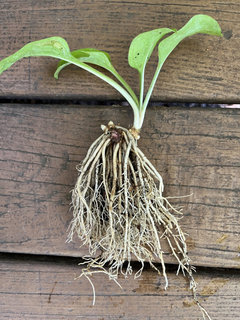
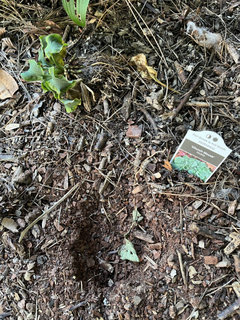
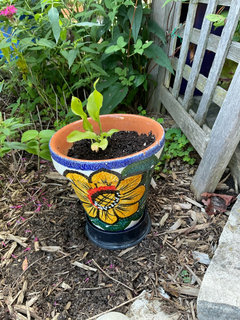
Struggling hostas -- move now or wait?
2 years ago
Featured Answer
Sort by:Oldest
Comments (17)
 2 years ago
Related Discussions
Garden Maintenance in June
Comments (0)Top jobs for June 1. Hoe borders regularly to keep down weeds. 2. Prepare for drought – fit a water butt, mulch around plants and don’t cut the grass so short. 3. Keep hedges trimmed. 4. Cut lawns regularly. 5. Plant out summer bedding. 6. Prune most spring-flowering shrubs (after they have finished flowering). 7. Liquid feed containerised plants every two to four weeks. 8. Keep tubs and hanging baskets well watered. 9. Think about your greenhouse – don't let it get too hot (apply shade paint, open doors, hose-down the floor) 10. Stake/support climbing/tall plants as they grow. 11. Protect crops from birds by putting up nets. 12. Start to thin out fruit on most fruit trees 13. Look out for pest problems once the weather warms up. Lawn Care - Mow lawns regularly to keep them healthy - removing a 'little and often' is the key. - Cut the lawn edges to keep them neat and well shaped. At the same time create a 3in gutter to define the lawn edge from the flower border. - Apply a high nitrogen summer lawn fertiliser if not done last month to - encourage a healthy-looking lawn. - Moving garden furniture etc regularly to stop the grass underneath from dying off. - Selective weedkillers are available for lawns that will kill the weeds but not the grass. Moss killers are also available. These chemicals all work differently so ask your gardener for advice. - Disperse dry worm casts with a hard-bristled broom. - If molehills are a problem then traps are the most effective way to deal with them. Ant hills will also cause bumps in your lawn at this time of year. Trees, shrubs and climbers - Tie in climbing and rambling roses as near to horizontal as possible to restrict sap flow and cause more side-shoots to grow along the length of stem resulting in more flowers. - Prune out any frost damage from evergreen shrubs. - Prune flowering shrubs such as Deutzia, Kolkwitizia, Weigela and Philadelphus after they have finished flowering. If you leave this too late the flowers may not have enough time to develop for next year. - Continue to clip evergreen hedges such as privet and box. - This is the best time of year to prune deciduous magnolias once the plant is in full leaf. - If necessary, thin out new shoots on trees and shrubs pruned in the winter to prevent overcrowding. - Prune overcrowded, dead or diseased stems from Clematis montana once it has finished flowering – it can take cutting back very hard. - Prune wall-trained pyracanthas, removing any shoots coming out from the wall, and shortening other new growth to about 8cm. - Remove any reverting shoots on hardy variegated evergreens, to prevent them reverting to just one colour. - Take softwood cuttings of deciduous shrubs including Caryopteris, Forsythia, lavender, Fuchsia, Hydrangea macrophylla, Philadelphus and Spiraea and rosemary if not done last month. Flowers - Plant out summer bedding and seed-raised plants, if not already done so. - Thin out direct sowings of hardy annuals. - Stake tall perennials to prevent wind damage to flower spikes. - Cut back dead bulb foliage if not done already. It is important to wait until the foliage dies down naturally. - Now is the time to lift and divide overcrowded clumps of bulbs after they have finished flowering so that you can increase your stock for next year. - Any gaps in your herbaceous borders should be filled with summer bedding plants for now. - Cut back clumps of spring-flowering perennials such as Helleborus, Pulmonaria to encourage fresh foliage. - This will also encourage the plants to -stay more compact and will flower better next year. - Trimming back spreading and trailing plants such as the annual Lobularia (sweet alyssum) after flowering will encourage fresh growth and new flowers. - Cut back Oriental poppies after flowering to stimulate growth of fresh new foliage. - Help Sweet peas find their supports to encourage them to climb and give a good display. - Pinching out the leading shoots on Chrysanthemum and Helianthus will encourage bushy plants. Alternatively, leave them if you want tall plants. - Divide primroses after flowering and keep them planted in a nursery bed until the autumn. - Divide hostas as they come into growth. - Deadhead flowering perennials such as Lupinus and Delphinium to promote a second flush of flowers later in the season. - Lift clumps of forget me nots as these can get out of control. - Hellebore seed can be harvested once the seed heads have ripened - sow them straight away for growth next year. Greenhouse and houseplants - Move conservatory plants outdoors during warm days but bring in if the temperature is expected to fall at night. - Train passion flowers and other climbers over their supports. - Greenhouses may need shade paint to stop temperatures getting too high. - Opening doors and vents on hot days will also help. Damp down the floor to increase humidity. Ponds - Thin out, cut back or divide excessive new growth on aquatic plants and tidy up the bog garden. - Water lilies are big feeders – if not already done so feed with a slow-release fertiliser tablet (place in the soil around the base of the plant. - Keep ponds and water features topped up and clean out pond filters. - If you live in the north you can still plant new aquatic plants. - Remove blanket weed from the pond and then leave the weed on the side of the pond for a day to allow trapped creatures to return to the water before adding to the compost heap. Soft Landscaping - Removing dirt and algae from paving and patios will stop them becoming slippery when wet – your gardener may have a pressure washer to do this. - Check and repair wooden structures. - Paint wooden structures with a wood preserve. - Remove any out of date chemicals from your shed or garage – your gardener has a list of chemicals that have been banned....See Morehelp with paint colours for open plan room
Comments (56)I completely missed that! LOL. Mornings ;0) - the door will indeed be painted the same colour. I just took it off to paint all the door frame and it’s on my list for the next rainy day (been starting the garden tidy up now the patio is done as it’s a mess!) Only pain is that from the hallway it will be painted a lighter colour so now I have to sand down all the drips on it and the frame as I made a mess, ha ha. Would have loved dark doors in the hall BUT it’s a tiny space with barely any natural light and has 5 doors in it!! (Bungalow) pfff. All wood so have to paint them (horrified smiley face inserted here!!)...See MoreWhat is looking good in your garden right now?
Comments (110)Love the begonia bush @ED:) Here’s phase 1 of my little reclaimed brick raised bed (still building the other half). My boys sunflowers (dwarf variety) are just starting to flower...an exciting time because we’ve been growing these from seed since February!...See MoreKitchen/dining dilemma
Comments (14)You have a similar kitchen to me so I understand your pain about lack of storage! Mine is galley style but even the units are similar. I have a small pantry which has a sharply sloping roof under the stairs, so not ideal but it holds a lot. I too have a sideboard which stores all my baking and “entertaining stuff”. I think you could fit in more storage where the table is. It could me more units or it could be a stand alone pantry unit. I think a navy or graphite grey one would look great or you could carry on with the white/cream of your current units. I think, and please don’t be offended, you have too much stuff out on the worktops which increases the feeling of clutter, sorry! Here’s some ideas of possible standalone storage. Even budget companies like Howdens are doing them....See More 2 years ago
- 2 years ago
 2 years ago
- 2 years ago
- 2 years ago
 2 years ago
- 2 years ago
- 2 years ago



Sponsored
Ben D (zone 7b)Original Author