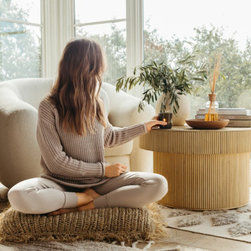


Designing a Serene Space for Mindful Practice
Creating a room dedicated to mindful practice is less about sticking to rigid rules and more about cultivating a gentle invitation to slow down. A serene space encourages consistent practice by reducing friction: fewer distractions, more comfort, and a visual vocabulary that calms the nervous system. Thoughtful decisions about light, color, materials, and layout can transform an ordinary corner into a sanctuary where breath and attention can settle. Whether you have an entire spare room or a small alcove, the aim is the same: to design an environment that supports presence.
Choosing the Right Location
Begin with a realistic assessment of your home. A room with a door offers privacy and a clear boundary between practice and the rest of life, but a quiet corner of a bedroom or living room can serve equally well if it feels distinct. Consider proximity to daily routines; placing your practice space near where you start your day increases the likelihood you’ll use it. Avoid spaces with high foot traffic or constant noise like a kitchen or entryway. If structural soundproofing isn’t possible, position the area away from shared walls and add soft materials to absorb ambient sound.
Light and Color
Light profoundly influences mood and circadian rhythm. Natural light is ideal for daytime practice, bathing the room in a softness that supports alert yet relaxed awareness. Sheer curtains diffuse harsh sunlight while preserving privacy. For evening sessions, layered lighting allows control: a dimmable overhead fixture, a warm-toned floor lamp, and small candles or salt lamps create different atmospheres. Color choices should be calming but not sterile. Muted earth tones, soft greens, and dusty blues are reliable choices because they evoke nature and stability. Avoid bright, high-contrast palettes that demand attention; instead favor hues that gently recede.
Materials and Textures
Materials matter because they communicate nonverbally to the body. Natural fibers and matte finishes convey warmth and authenticity. Use linen or cotton textiles for cushions and throws, and opt for wooden furniture with a smooth finish to invite touch. A rug underfoot defines the practice area and adds a layer of insulation and grounding. Try to minimize plastics and glossy surfaces; they tend to reflect light in jittery ways and feel less comforting. Incorporating tactile variation—cool stone, soft textiles, warm wood—creates a multi-sensory environment that supports different practices, from seated meditation to gentle movement.
Sound and Scent
Sound shapes attention as much as sight. Soft background noise like a white-noise machine, a tabletop fountain, or a playlist of gentle ambient tones can mask intrusive street sounds and create consistency across sessions. If you prefer silence, invest in thicker curtains and a dense rug to deaden echoes. Scent is a subtle but powerful cue for practice. Choose a single scent family—like cedar, sandalwood, or citrus—to associate with the space. Use it sparingly through a diffuser, an incense, or an essential-oil infused pad so that the aroma becomes an invitation rather than a distraction.
Furnishings and Layout
Keep furnishings minimal and multifunctional. A comfortable cushion or low stool provides a reliable focal point for practice, while a low bench or shelf can hold a bell, a small altar, or a journal. Orientation matters: face a wall, a window, or an intentional object depending on your practice. Some people find facing a window with a view of nature supports open awareness, while others prefer a wall to reduce visual stimulation. Storage is essential; a small cabinet or woven basket allows blankets, props, and journals to be tucked away so the room feels uncluttered. When space doubles as an office or guest room, consider foldable or stowable elements that preserve the room’s energy when not in use.
Personalization and Rituals
A serene space should feel invitingly personal without becoming a shrine to consumerism. Select a few meaningful objects: a plant that signals life and care, a photograph that evokes calm, or a tactile object that centers your attention. Rotate items seasonally to keep the environment alive and aligned with your practice's evolving needs. Establishing a short ritual—lighting a candle, ringing a bell, or taking three intentional breaths before sitting—signals a shift into practice and helps the mind notice the change. Rituals need not be elaborate; their power lies in consistency and meaning.
Maintenance and Flexibility
A meditation space functions best when it’s cared for. Regularly declutter, launder textiles, and refresh water for plants to maintain a sense of ease. Keep essential tools within reach so preparation becomes effortless. At the same time, embrace flexibility: some days you may practice seated meditation, other days you’ll prefer gentle movement or journaling. Design the space to accommodate different modalities without losing its essential calm. If your life requires the area to serve multiple roles, use subtle signifiers—different cushions, a folded throw, or a tray with ritual items—to signal when the room is in “practice mode.”
Designing a serene space is an ongoing conversation between your needs and the environment. Thoughtful attention to light, sound, texture, and ritual will create a place that invites presence. When collecting inspiration, consider meditation room ideas that emphasize simplicity, warmth, and accessibility, then adapt those concepts to the contours of your home and the rhythms of your life. With care and intention, your space will become more than a room: it will be a sanctuary for returning again and again to what matters most.