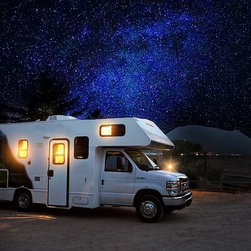

What are the benefits of buying an RV for traveling
Is owning an RV worth it? Maybe this is a question you’ve thought about for a while, having enjoyed camping and feeling ready to take the next step. Or perhaps you’ve never seriously considered RV ownership before, but given the current pandemic, travel restrictions and general upheaval of routine have suddenly made it appealing.
The Cost of the Actual RV
You can spend anywhere from $1,000 on a used pop-up camper to $300,000 (or more) on a brand new motorhome. While it may be tempting to splurge on all the bells and whistles, it’s important to consider your family’s specific needs—and what you can realistically afford. Taking on an RV that busts the family budget will not lead to an enjoyable experience, nor will taking out a loan for a brand new RV that you find isn’t right for your family.
My family’s first RV was a 10-year-old Class A in great condition that we paid for in cash. After a couple of years, we decided to trade it in for a new Class A. Although no longer traveling full-time, we were committed to the RV lifestyle, knew what worked for us, and were comfortable taking on the additional expense for an upgraded rig that we love.
For help researching which RV is right for you, check out Togo RV’s buying guide.
Additional RV cost
Don’t forget to factor in the cost of insurance, vehicle registration, regular maintenance, plus storage if you’re not able to park the RV at your residence. Other costs that vary but should be budgeted for are campground fees, fuel, unexpected repairs, and gear, which includes anything from kitchen supplies to a high-quality sewer hose (not something you want to skimp on!).
Cost Savings
Having your own RV can mean significant savings compared to the costs of a typical vacation with flights, rental cars, accommodations, and meals out. Especially with kids and/or picky eaters, having your own kitchen and meal planning is not only cost-effective, but also offers peace of mind.
There’s a huge variety of campgrounds out there, from rustic state parks to luxury RV resorts. Even among the different types of campgrounds, rates vary regionally and seasonally. Some places charge additional fees for children and pets. When you take the time to research and plan in advance, camping is not only budget-friendly, it can provide the opportunity to stay in a prime destination for significantly less than the cost of a hotel room or vacation rental.
Some RVers cut even more costs by boondocking, or camping at a free or inexpensive site with no hookups. While “camping” in a Walmart parking lot isn’t exactly what RV dreams are made of, it’s a great alternative for a free overnight en route. (Always remember to call ahead and get permission from the store manager, and keep those slides in and tank valves shut.)
Other Financial Considerations
The vehicles you already own can have a big impact on the budget and type of RV you should look to buy.
Towable RVs come in a wide variety of sizes and price points. If you already own a truck that is capable of towing, a trailer can be an affordable entry into RV ownership. Another advantage of towable RVs is that you only have one vehicle engine to maintain, compared to a Class A or C with a tow car.
A note of caution: Don’t rely on word of mouth and make assumptions about your vehicle’s capability to tow or be flat towed. Be sure to check the manufacturer’s information about your specific vehicle—including the year, as this can vary.
Another financial consideration is how handy you are. With the time and ability to refurbish an older RV, you could stick to a tight budget and even have an RV that retains resale value. Otherwise, make sure you budget out for repair and maintenance costs.
The Cost of the Actual RV
You can spend anywhere from $1,000 on a used pop-up camper to $300,000 (or more) on a brand new motorhome. While it may be tempting to splurge on all the bells and whistles, it’s important to consider your family’s specific needs—and what you can realistically afford. Taking on an RV that busts the family budget will not lead to an enjoyable experience, nor will taking out a loan for a brand new RV that you find isn’t right for your family.
My family’s first RV was a 10-year-old Class A in great condition that we paid for in cash. After a couple of years, we decided to trade it in for a new Class A. Although no longer traveling full-time, we were committed to the RV lifestyle, knew what worked for us, and were comfortable taking on the additional expense for an upgraded rig that we love.
For help researching which RV is right for you, check out Togo RV’s buying guide.
Additional RV cost
Don’t forget to factor in the cost of insurance, vehicle registration, regular maintenance, plus storage if you’re not able to park the RV at your residence. Other costs that vary but should be budgeted for are campground fees, fuel, unexpected repairs, and gear, which includes anything from kitchen supplies to a high-quality sewer hose (not something you want to skimp on!).
Cost Savings
Having your own RV can mean significant savings compared to the costs of a typical vacation with flights, rental cars, accommodations, and meals out. Especially with kids and/or picky eaters, having your own kitchen and meal planning is not only cost-effective, but also offers peace of mind.
There’s a huge variety of campgrounds out there, from rustic state parks to luxury RV resorts. Even among the different types of campgrounds, rates vary regionally and seasonally. Some places charge additional fees for children and pets. When you take the time to research and plan in advance, camping is not only budget-friendly, it can provide the opportunity to stay in a prime destination for significantly less than the cost of a hotel room or vacation rental.
Some RVers cut even more costs by boondocking, or camping at a free or inexpensive site with no hookups. While “camping” in a Walmart parking lot isn’t exactly what RV dreams are made of, it’s a great alternative for a free overnight en route. (Always remember to call ahead and get permission from the store manager, and keep those slides in and tank valves shut.)
Other Financial Considerations
The vehicles you already own can have a big impact on the budget and type of RV you should look to buy.
Towable RVs come in a wide variety of sizes and price points. If you already own a truck that is capable of towing, a trailer can be an affordable entry into RV ownership. Another advantage of towable RVs is that you only have one vehicle engine to maintain, compared to a Class A or C with a tow car.
A note of caution: Don’t rely on word of mouth and make assumptions about your vehicle’s capability to tow or be flat towed. Be sure to check the manufacturer’s information about your specific vehicle—including the year, as this can vary.
Another financial consideration is how handy you are. With the time and ability to refurbish an older RV, you could stick to a tight budget and even have an RV that retains resale value. Otherwise, make sure you budget out for repair and maintenance costs.