A Buyer's Guide to Crushed Stone and Aggregates in Ohio
Whether you're a contractor managing a major construction project or a homeowner tackling a weekend landscaping job, few materials are as fundamental as crushed stone and aggregates. They form the base of driveways, the foundation of structures, the bed beneath patios, and the drainage that keeps water where it belongs. Yet many buyers approach these materials without fully understanding the options, leading to wrong choices, wasted money, and disappointing results. This guide breaks down what Ohio buyers need to know about crushed stone and aggregates, from the basic types to sourcing the right materials for the job.
What "aggregates" actually means
The term "aggregate" covers a broad family of granular materials used in construction and landscaping crushed stone, gravel, sand, and similar products. They're among the most widely used construction materials in the world, and for good reason: they provide structure, stability, drainage, and a foundation for countless projects. Understanding the category is the first step to choosing wisely.
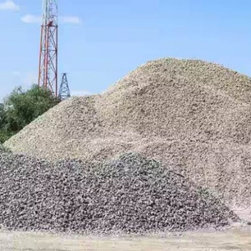
Crushed stone, a key type of aggregate, is exactly what it sounds like: stone that's been mechanically crushed and screened into various sizes. The size and type you need depends entirely on the application. A drainage project calls for different material than a driveway base, which differs again from decorative landscaping stone. Buyers who understand these distinctions make better choices, while those who simply order "some gravel" often end up with the wrong product. Sourcing from established crushed stone suppliers who can explain the options helps ensure you get material matched to your actual project rather than a generic guess.
Matching the material to the project
The single most important principle in buying aggregates is matching the material to the application. Different projects demand different products, and using the wrong one leads to problems down the road. A driveway, for instance, typically requires a base layer of larger crushed stone topped with a finer material that compacts into a stable surface. Drainage applications call for stone that allows water to flow through freely. Concrete work requires an aggregate of specific sizes and qualities.
This is where understanding the sizing matters. Aggregates are sorted by size, and each size serves particular purposes. Larger stones provide structure and drainage; smaller materials fill gaps and create smooth, compactable surfaces; and combinations are often used in layers. Getting the sizing right is the difference between a driveway that lasts for years and one that rutts and shifts, or a drainage system that works and one that fails. Taking the time to understand what your specific project needs or asking a knowledgeable supplier pays off in results that last.
Estimating how much you need
One of the most common mistakes buyers make is misjudging quantity. Order too little and you face delays and the hassle of a second delivery; order too much and you've wasted money on material you don't need. Aggregates are typically sold by weight or volume, and estimating the right amount requires calculating the area and depth of your project.
The basic approach is to determine the length, width, and desired depth of the area you're filling, then convert that to the volume of material needed, accounting for compaction. It's wise to build in a small margin, since some settling and compaction will occur. A reputable supplier can help with these calculations, which is especially valuable for larger or more complex projects where the stakes of getting it wrong are higher. Accurate estimating saves both money and the frustration of running short partway through a job.
Why local sourcing makes sense
Aggregates are heavy, and that simple fact has big implications for buying them. Transportation is a significant part of the cost, which means sourcing locally is often both more economical and more practical. Buying from a supplier near your project reduces delivery costs and makes logistics simpler, particularly for large quantities where hauling distance really adds up.
Local sourcing has other advantages too. A supplier serving your area understands local conditions, common project types, and the materials best suited to the region. For Ohio buyers, this regional knowledge is genuinely useful. Whether you're in the central part of the state or elsewhere, working with a supplier like stone center columbus ohio contractors rely on means access to materials and expertise close to where you need them. Proximity translates directly into lower costs and easier coordination.
Quality matters more than you might think
Not all aggregate is created equal, and quality affects performance. Clean, properly screened material performs better and lasts longer than poorly processed product full of dust, debris, or inconsistent sizing. For structural applications especially, the quality of the aggregate directly affects the durability and stability of the finished work.
This is why the supplier you choose matters. A reputable supplier provides consistent, properly processed material and can speak to the quality and characteristics of their products. Cheap material from an unreliable source can end up costing more in the long run through poor performance and the need for repairs or replacement. Investing in quality aggregate from a trusted source is one of those decisions that seems minor at purchase but proves significant over the life of a project.
Serving projects across Ohio
Ohio's construction and landscaping needs span a wide range, from major commercial projects to residential improvements, and quality aggregate suppliers serve communities throughout the state. Buyers in different regions benefit from suppliers with a presence in their area, offering both materials and local knowledge. A supplier with multiple locations can serve a broader range of projects efficiently. For buyers in the southwestern part of the state, for example, a stone center cincinnati location brings the same materials and expertise closer to projects in that region. Having a reliable source nearby simplifies sourcing no matter where in Ohio a project is located.
Common uses around the home and job site
To appreciate just how versatile these materials are, it helps to look at the range of jobs they handle. Around a home, crushed stone and aggregates form the base for driveways and walkways, create stable foundations for sheds and patios, improve drainage in problem areas, fill in low spots, and serve as attractive ground cover in garden beds. They're the unsung workhorses of countless residential improvements.
On larger job sites, the applications expand further on road and parking lot bases, structural foundations, concrete production, backfill, erosion control, and drainage systems all rely on the right aggregate. The same basic materials, in different sizes and types, serve this enormous range of purposes. Recognizing how broadly these products are used helps buyers appreciate why choosing the correct type and size for each specific application matters so much. A material that's perfect for one job may be entirely wrong for another, which is why understanding both your project and your options is the foundation of a successful purchase.
The bottom line
Crushed stone and aggregates are foundational materials that quietly determine the success of countless construction and landscaping projects. Buying them well means understanding the types and sizes available, matching the material to your specific application, estimating quantities accurately, prioritizing quality, and sourcing locally to keep costs down and logistics simple. Whether you're a contractor or a homeowner, taking the time to understand these materials and working with a knowledgeable, reliable supplier ensures your project rests on a solid foundation. In Ohio, that combination of quality materials and local expertise is well within reach for any project.
What "aggregates" actually means
The term "aggregate" covers a broad family of granular materials used in construction and landscaping crushed stone, gravel, sand, and similar products. They're among the most widely used construction materials in the world, and for good reason: they provide structure, stability, drainage, and a foundation for countless projects. Understanding the category is the first step to choosing wisely.
Crushed stone, a key type of aggregate, is exactly what it sounds like: stone that's been mechanically crushed and screened into various sizes. The size and type you need depends entirely on the application. A drainage project calls for different material than a driveway base, which differs again from decorative landscaping stone. Buyers who understand these distinctions make better choices, while those who simply order "some gravel" often end up with the wrong product. Sourcing from established crushed stone suppliers who can explain the options helps ensure you get material matched to your actual project rather than a generic guess.
Matching the material to the project
The single most important principle in buying aggregates is matching the material to the application. Different projects demand different products, and using the wrong one leads to problems down the road. A driveway, for instance, typically requires a base layer of larger crushed stone topped with a finer material that compacts into a stable surface. Drainage applications call for stone that allows water to flow through freely. Concrete work requires an aggregate of specific sizes and qualities.
This is where understanding the sizing matters. Aggregates are sorted by size, and each size serves particular purposes. Larger stones provide structure and drainage; smaller materials fill gaps and create smooth, compactable surfaces; and combinations are often used in layers. Getting the sizing right is the difference between a driveway that lasts for years and one that rutts and shifts, or a drainage system that works and one that fails. Taking the time to understand what your specific project needs or asking a knowledgeable supplier pays off in results that last.
Estimating how much you need
One of the most common mistakes buyers make is misjudging quantity. Order too little and you face delays and the hassle of a second delivery; order too much and you've wasted money on material you don't need. Aggregates are typically sold by weight or volume, and estimating the right amount requires calculating the area and depth of your project.
The basic approach is to determine the length, width, and desired depth of the area you're filling, then convert that to the volume of material needed, accounting for compaction. It's wise to build in a small margin, since some settling and compaction will occur. A reputable supplier can help with these calculations, which is especially valuable for larger or more complex projects where the stakes of getting it wrong are higher. Accurate estimating saves both money and the frustration of running short partway through a job.
Why local sourcing makes sense
Aggregates are heavy, and that simple fact has big implications for buying them. Transportation is a significant part of the cost, which means sourcing locally is often both more economical and more practical. Buying from a supplier near your project reduces delivery costs and makes logistics simpler, particularly for large quantities where hauling distance really adds up.
Local sourcing has other advantages too. A supplier serving your area understands local conditions, common project types, and the materials best suited to the region. For Ohio buyers, this regional knowledge is genuinely useful. Whether you're in the central part of the state or elsewhere, working with a supplier like stone center columbus ohio contractors rely on means access to materials and expertise close to where you need them. Proximity translates directly into lower costs and easier coordination.
Quality matters more than you might think
Not all aggregate is created equal, and quality affects performance. Clean, properly screened material performs better and lasts longer than poorly processed product full of dust, debris, or inconsistent sizing. For structural applications especially, the quality of the aggregate directly affects the durability and stability of the finished work.
This is why the supplier you choose matters. A reputable supplier provides consistent, properly processed material and can speak to the quality and characteristics of their products. Cheap material from an unreliable source can end up costing more in the long run through poor performance and the need for repairs or replacement. Investing in quality aggregate from a trusted source is one of those decisions that seems minor at purchase but proves significant over the life of a project.
Serving projects across Ohio
Ohio's construction and landscaping needs span a wide range, from major commercial projects to residential improvements, and quality aggregate suppliers serve communities throughout the state. Buyers in different regions benefit from suppliers with a presence in their area, offering both materials and local knowledge. A supplier with multiple locations can serve a broader range of projects efficiently. For buyers in the southwestern part of the state, for example, a stone center cincinnati location brings the same materials and expertise closer to projects in that region. Having a reliable source nearby simplifies sourcing no matter where in Ohio a project is located.
Common uses around the home and job site
To appreciate just how versatile these materials are, it helps to look at the range of jobs they handle. Around a home, crushed stone and aggregates form the base for driveways and walkways, create stable foundations for sheds and patios, improve drainage in problem areas, fill in low spots, and serve as attractive ground cover in garden beds. They're the unsung workhorses of countless residential improvements.
On larger job sites, the applications expand further on road and parking lot bases, structural foundations, concrete production, backfill, erosion control, and drainage systems all rely on the right aggregate. The same basic materials, in different sizes and types, serve this enormous range of purposes. Recognizing how broadly these products are used helps buyers appreciate why choosing the correct type and size for each specific application matters so much. A material that's perfect for one job may be entirely wrong for another, which is why understanding both your project and your options is the foundation of a successful purchase.
The bottom line
Crushed stone and aggregates are foundational materials that quietly determine the success of countless construction and landscaping projects. Buying them well means understanding the types and sizes available, matching the material to your specific application, estimating quantities accurately, prioritizing quality, and sourcing locally to keep costs down and logistics simple. Whether you're a contractor or a homeowner, taking the time to understand these materials and working with a knowledgeable, reliable supplier ensures your project rests on a solid foundation. In Ohio, that combination of quality materials and local expertise is well within reach for any project.
Project Year: 2026
Project Cost: USD 1,500,001 - USD 2,000,000