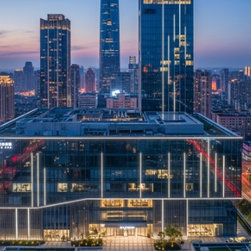
Design Meets Performance: Why Facade Engineering Services Are Essential Today
Key Highlights
Facade engineering services are essential for balancing architectural vision with the practical needs of buildability, durability, and compliance.
These services play a vital role in enhancing a building's performance, focusing on energy efficiency, weatherproofing, and structural integrity.
A facade engineer provides crucial technical solutions for the entire building envelope, from curtain walls to cladding systems.
Early involvement of facade experts helps reduce project risks and costs, ensuring innovative and sustainable outcomes.
Facade engineering bridges the gap between design and performance, safeguarding your project and optimizing asset value for the long term.
Introduction
Ever wondered why modern buildings are both striking and functional? The secret is the building envelope—the exterior skin separating inside from out. This is where facade engineers come in. Their expertise transforms architects’ visions into high-performing, safe, and sustainable exteriors, ensuring your building looks great and works flawlessly.
The Critical Role of Facade Engineering Services in Modern Building Design
Facade engineering services are essential in modern construction, bridging design and execution while meeting performance and safety standards. This specialized field ensures that building exteriors comply with codes, are durable, and can be constructed efficiently. Expert facade engineers are key to the success of contemporary projects by addressing the unique challenges of advanced facade systems. Next, we'll examine how this discipline links innovative design with reliable performance.
Understanding the Importance of Facade Engineering for Contemporary Structures
Facade engineering goes beyond aesthetics; it addresses key structural challenges. In modern buildings, the facade must not only look appealing but also meet strict safety, comfort, and performance standards.
The complexity of today’s architecture requires specialized expertise to ensure exteriors withstand environmental forces and improve energy efficiency. Facade engineers provide this technical insight, making sure architectural designs are both safe and functional.
Their holistic approach protects the building, its interiors, and occupants—making facade engineering essential to successful building design.
How Facade Engineering Services Bridge Design and Performance Needs
Facade engineering services align the architectural vision with performance requirements. While architects design striking facades, engineers ensure they are practical, safe, and efficient without compromising structural integrity or energy performance.
Engineers translate creative ideas into technical solutions by analyzing designs to meet standards for weatherproofing, thermal comfort, and more.
Facade engineers bridge the gap by:
Delivering technical solutions aligned with design intent
Developing performance-based specifications for construction
Conducting feasibility reviews to spot issues early
Working with the design team to optimize buildability
The Unique Contributions of Facade Engineers to Construction Projects
A facade engineer offers specialized expertise focused on the building envelope, setting them apart from other construction roles. Their technical knowledge ensures the exterior meets performance, safety, and compliance standards—benefiting architects, builders, and project managers alike.
Partnering with facade engineers guarantees your building’s exterior is both attractive and structurally sound. Their role is essential for delivering high-quality, resilient, and sustainable projects. Below are their key responsibilities and the value they provide.
Key Responsibilities and Value Added by Facade Engineers
A facade engineer adds value at every project stage, focusing on technical performance and durability beyond aesthetics. They transform design concepts into functional exteriors through expert analysis and performance modeling, ensuring structural integrity, weather resistance, and energy efficiency. This proactive approach reduces risks and prevents costly issues.
Key responsibilities include:
Advising on materials
Conducting structural and thermal analyses
Developing weatherproofing strategies
Reviewing shop drawings for compliance
Certifying facade systems
Troubleshooting defects and performance issues
Collaboration with Architects, Builders, and Consultants for Optimal Outcomes
Achieving an outstanding facade requires teamwork. Early and effective collaboration between the facade engineer, design team, and builders aligns architectural vision with technical and budget constraints.
Involving a facade engineer from the start helps avoid costly redesigns and streamlines approvals, keeping projects on track and within budget. This early coordination supports innovative solutions, maintains design integrity, ensures compliance, and enhances buildability for the best results.
Enhancing Aesthetics and Functionality Through Facade Engineering
Facade engineering seamlessly blends aesthetics and function, enhancing a building’s appearance while optimizing performance. A well-designed facade can turn a structure into a landmark and plays a vital role in occupant comfort, natural lighting, and sustainability.
By focusing on the building’s exterior, facade engineers create spaces that are attractive, comfortable, and efficient. They are key to sustainable design—ensuring buildings look impressive and feel inviting. The following sections will explore how engineers balance style with function and incorporate innovative materials.
Balancing Visual Impact with Building Performance
One of modern architecture’s main challenges is creating visual impact without sacrificing building performance. Facade engineering tackles this by blending aesthetics with function.
For example, a glass curtain wall must also insulate well to reduce energy use and keep occupants comfortable. Facade engineers evaluate how design choices affect light, heat, and acoustics, using advanced analysis to optimize the building envelope.
The result is a design that fulfills the architect’s vision while ensuring energy efficiency and comfort—making buildings both impressive and practical, and preserving their long-term value.
Integrating Innovative Materials for Modern Australian Environments
Material selection is critical in facade engineering, especially in diverse climates like Australia and the Middle East. Innovative and advanced materials can significantly improve a building’s performance, durability, and sustainability. Facade engineers identify the best solutions for each project.
Options range from high-performance glazing—which maximizes daylight while minimizing heat gain—to sustainable materials that lower environmental impact. Systems such as curtain walls and cladding must be chosen to withstand local conditions.
Common facade systems and materials include:
Material/System
Key Benefits
Curtain & Window Walls
Extensive glazing for natural light and views; highly customizable aesthetics
Aluminum Cladding
Lightweight, durable, corrosion-resistant, and low-maintenance
Glazed Walls & Skylights
Maximize daylighting; reduce need for artificial lighting
GRC Cladding
Versatile; allows complex shapes and durable finishes
Sunshade Devices
Control solar heat gain; lower cooling costs; improve occupant comfort
Conclusion
In conclusion, facade engineering is essential to modern building design, combining aesthetics with performance. Facade engineers ensure structures are visually appealing, energy-efficient, and resilient. By using innovative materials and methods, they enhance both function and appearance. As sustainability becomes increasingly important, investing in quality facade engineering offers lasting benefits. Contact us for a free consultation to see how these services can elevate your next project.
Frequently Asked Questions
How Do Facade Engineering Services Improve Building Energy Efficiency?
Facade engineering services boost energy efficiency by optimizing the building envelope. A facade engineer selects materials with superior thermal insulation, designs systems to control solar heat gain, and ensures airtight construction. This reduces the building’s energy consumption for heating and cooling, leading to lower operational costs and a smaller carbon footprint.
What Types of Facade Materials Are Commonly Used and Why?
Common facade materials include glass, aluminum, and various cladding systems like GRC or fiber cement. These advanced and sustainable materials are chosen for their specific properties, such as durability, aesthetic flexibility, and thermal efficiency. For example, a curtain wall system is popular for allowing maximum natural light into a building.
In What Ways Do Facade Engineering Services Contribute to Climate and Weather Resistance?
Facade engineering ensures a building can withstand local environmental conditions. Engineers analyze factors like wind loads, rainfall, seismic activity, and temperature changes to design a resilient building envelope. This includes specifying materials with high impact resistance and detailing weatherproofing systems to prevent water ingress and structural damage.
Facade engineering services are essential for balancing architectural vision with the practical needs of buildability, durability, and compliance.
These services play a vital role in enhancing a building's performance, focusing on energy efficiency, weatherproofing, and structural integrity.
A facade engineer provides crucial technical solutions for the entire building envelope, from curtain walls to cladding systems.
Early involvement of facade experts helps reduce project risks and costs, ensuring innovative and sustainable outcomes.
Facade engineering bridges the gap between design and performance, safeguarding your project and optimizing asset value for the long term.
Introduction
Ever wondered why modern buildings are both striking and functional? The secret is the building envelope—the exterior skin separating inside from out. This is where facade engineers come in. Their expertise transforms architects’ visions into high-performing, safe, and sustainable exteriors, ensuring your building looks great and works flawlessly.
The Critical Role of Facade Engineering Services in Modern Building Design
Facade engineering services are essential in modern construction, bridging design and execution while meeting performance and safety standards. This specialized field ensures that building exteriors comply with codes, are durable, and can be constructed efficiently. Expert facade engineers are key to the success of contemporary projects by addressing the unique challenges of advanced facade systems. Next, we'll examine how this discipline links innovative design with reliable performance.
Understanding the Importance of Facade Engineering for Contemporary Structures
Facade engineering goes beyond aesthetics; it addresses key structural challenges. In modern buildings, the facade must not only look appealing but also meet strict safety, comfort, and performance standards.
The complexity of today’s architecture requires specialized expertise to ensure exteriors withstand environmental forces and improve energy efficiency. Facade engineers provide this technical insight, making sure architectural designs are both safe and functional.
Their holistic approach protects the building, its interiors, and occupants—making facade engineering essential to successful building design.
How Facade Engineering Services Bridge Design and Performance Needs
Facade engineering services align the architectural vision with performance requirements. While architects design striking facades, engineers ensure they are practical, safe, and efficient without compromising structural integrity or energy performance.
Engineers translate creative ideas into technical solutions by analyzing designs to meet standards for weatherproofing, thermal comfort, and more.
Facade engineers bridge the gap by:
Delivering technical solutions aligned with design intent
Developing performance-based specifications for construction
Conducting feasibility reviews to spot issues early
Working with the design team to optimize buildability
The Unique Contributions of Facade Engineers to Construction Projects
A facade engineer offers specialized expertise focused on the building envelope, setting them apart from other construction roles. Their technical knowledge ensures the exterior meets performance, safety, and compliance standards—benefiting architects, builders, and project managers alike.
Partnering with facade engineers guarantees your building’s exterior is both attractive and structurally sound. Their role is essential for delivering high-quality, resilient, and sustainable projects. Below are their key responsibilities and the value they provide.
Key Responsibilities and Value Added by Facade Engineers
A facade engineer adds value at every project stage, focusing on technical performance and durability beyond aesthetics. They transform design concepts into functional exteriors through expert analysis and performance modeling, ensuring structural integrity, weather resistance, and energy efficiency. This proactive approach reduces risks and prevents costly issues.
Key responsibilities include:
Advising on materials
Conducting structural and thermal analyses
Developing weatherproofing strategies
Reviewing shop drawings for compliance
Certifying facade systems
Troubleshooting defects and performance issues
Collaboration with Architects, Builders, and Consultants for Optimal Outcomes
Achieving an outstanding facade requires teamwork. Early and effective collaboration between the facade engineer, design team, and builders aligns architectural vision with technical and budget constraints.
Involving a facade engineer from the start helps avoid costly redesigns and streamlines approvals, keeping projects on track and within budget. This early coordination supports innovative solutions, maintains design integrity, ensures compliance, and enhances buildability for the best results.
Enhancing Aesthetics and Functionality Through Facade Engineering
Facade engineering seamlessly blends aesthetics and function, enhancing a building’s appearance while optimizing performance. A well-designed facade can turn a structure into a landmark and plays a vital role in occupant comfort, natural lighting, and sustainability.
By focusing on the building’s exterior, facade engineers create spaces that are attractive, comfortable, and efficient. They are key to sustainable design—ensuring buildings look impressive and feel inviting. The following sections will explore how engineers balance style with function and incorporate innovative materials.
Balancing Visual Impact with Building Performance
One of modern architecture’s main challenges is creating visual impact without sacrificing building performance. Facade engineering tackles this by blending aesthetics with function.
For example, a glass curtain wall must also insulate well to reduce energy use and keep occupants comfortable. Facade engineers evaluate how design choices affect light, heat, and acoustics, using advanced analysis to optimize the building envelope.
The result is a design that fulfills the architect’s vision while ensuring energy efficiency and comfort—making buildings both impressive and practical, and preserving their long-term value.
Integrating Innovative Materials for Modern Australian Environments
Material selection is critical in facade engineering, especially in diverse climates like Australia and the Middle East. Innovative and advanced materials can significantly improve a building’s performance, durability, and sustainability. Facade engineers identify the best solutions for each project.
Options range from high-performance glazing—which maximizes daylight while minimizing heat gain—to sustainable materials that lower environmental impact. Systems such as curtain walls and cladding must be chosen to withstand local conditions.
Common facade systems and materials include:
Material/System
Key Benefits
Curtain & Window Walls
Extensive glazing for natural light and views; highly customizable aesthetics
Aluminum Cladding
Lightweight, durable, corrosion-resistant, and low-maintenance
Glazed Walls & Skylights
Maximize daylighting; reduce need for artificial lighting
GRC Cladding
Versatile; allows complex shapes and durable finishes
Sunshade Devices
Control solar heat gain; lower cooling costs; improve occupant comfort
Conclusion
In conclusion, facade engineering is essential to modern building design, combining aesthetics with performance. Facade engineers ensure structures are visually appealing, energy-efficient, and resilient. By using innovative materials and methods, they enhance both function and appearance. As sustainability becomes increasingly important, investing in quality facade engineering offers lasting benefits. Contact us for a free consultation to see how these services can elevate your next project.
Frequently Asked Questions
How Do Facade Engineering Services Improve Building Energy Efficiency?
Facade engineering services boost energy efficiency by optimizing the building envelope. A facade engineer selects materials with superior thermal insulation, designs systems to control solar heat gain, and ensures airtight construction. This reduces the building’s energy consumption for heating and cooling, leading to lower operational costs and a smaller carbon footprint.
What Types of Facade Materials Are Commonly Used and Why?
Common facade materials include glass, aluminum, and various cladding systems like GRC or fiber cement. These advanced and sustainable materials are chosen for their specific properties, such as durability, aesthetic flexibility, and thermal efficiency. For example, a curtain wall system is popular for allowing maximum natural light into a building.
In What Ways Do Facade Engineering Services Contribute to Climate and Weather Resistance?
Facade engineering ensures a building can withstand local environmental conditions. Engineers analyze factors like wind loads, rainfall, seismic activity, and temperature changes to design a resilient building envelope. This includes specifying materials with high impact resistance and detailing weatherproofing systems to prevent water ingress and structural damage.
Project Year: 2026
Project Cost: USD 150,001 - USD 200,000