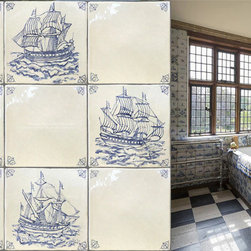


Delft Tiles: Preserving Tradition in Modern Homes
With their rich history and timeless charm, Delft tiles have long been cherished for their exquisite craftsmanship and intricate designs. Originating from the Dutch city of Delft in the 17th century, these distinctive ceramic tiles have found their way into homes across the world, adding a touch of elegance and nostalgia to interior spaces.
Historical Background of Delft Tiles
Delft tiles originated in the Netherlands during the 16th century, inspired by Chinese porcelain. Delft emerged as a prominent center for tile production during the Dutch Golden Age. These blue and white ceramic tiles depicted scenes of daily life and landscapes. Despite a decline in demand by the late 18th century, Delft tiles remain highly prized for their craftsmanship and beauty.
Characteristics of Delft Tiles
Delft tiles are renowned for their timeless elegance and distinctive characteristics. These ceramic treasures, originating in the Netherlands during the 16th century, boast a classic blue and white color palette that instantly captivates the eye. What truly sets Delft tiles apart, however, is the meticulous hand-painted designs that adorn each piece. Skilled artisans painstakingly craft intricate patterns, ranging from delicate floral motifs to picturesque landscapes, creating a visual narrative that reflects the cultural heritage of the Netherlands.
The smooth glaze finish adds a touch of sophistication, enhancing the depth and clarity of the intricate designs. Each tile serves as a testament to the craftsmanship and artistry of its creator, capturing the essence of Dutch artistic tradition. Beyond their aesthetic appeal, Delft tiles also hold historical significance, serving as decorative elements in homes, churches, and public buildings throughout the Dutch Golden Age.
Today, Delft tiles continue to enchant collectors and enthusiasts worldwide, preserving a rich legacy of craftsmanship and creativity. Their timeless beauty and cultural significance make them prized possessions, cherished for generations to come. Whether displayed as individual pieces of art or incorporated into architectural designs, Delft tiles remain enduring symbols of Dutch heritage and artistic excellence.
Advantages of Using Delft Tiles
Beyond their aesthetic appeal, Delft tiles are prized for their durability and longevity. Made from high-quality ceramic materials and expertly glazed, Delft tiles are resistant to moisture, stains, and fading, making them ideal for both decorative and functional purposes.
In addition to their charming appearance, Delft tiles offer several advantages due to their durability and quality craftsmanship. Here are some key benefits:
1. Longevity: Delft tiles are renowned for their longevity. Crafted from high-quality ceramic materials and expertly glazed, they are designed to withstand the test of time without losing their beauty or structural integrity. This longevity makes them a worthwhile investment for both residential and commercial spaces.
2. Resistance to Moisture: The dense composition of Delft tiles and their glazed surface make them highly resistant to moisture. This resistance makes them suitable for use in areas prone to high humidity, such as kitchens, bathrooms, and even outdoor spaces like patios or garden paths. They won't warp, crack, or degrade when exposed to moisture, ensuring their beauty remains intact over the years.
3. Stain Resistance: Delft tiles are also resistant to stains, thanks to their protective glaze. This feature makes them easy to clean and maintain, as spills and splatters can be wiped away effortlessly without leaving unsightly marks or discoloration. This stain resistance is particularly advantageous in areas with common spills, such as kitchen backsplashes or dining areas.
4. Fade Resistance: Another notable advantage of Delft tiles is their resistance to fading. The vibrant colors and intricate designs characteristic of Delft tiles are preserved over time, even when exposed to sunlight or artificial lighting. This ensures that the tiles retain their visual appeal and do not become dull or faded with prolonged exposure to light.
5. Versatility: Delft tiles are versatile in their application, and suitable for both decorative and functional purposes. They can be used as wall accents, backsplashes, fireplace surrounds, flooring, or even as decorative accents in furniture or artwork. Their versatility allows for creative expression in various design styles, from traditional to contemporary.
Overall, the combination of durability, moisture resistance, stain resistance, fade resistance, and versatility makes Delft tiles a highly desirable choice for enhancing the beauty and functionality of interior and exterior spaces alike.
Tips for Maintaining Delft Tiles
To maintain Delft tiles:
1. Clean regularly with gentle detergent and soft cloth.
2. Avoid harsh chemicals and abrasive scrubbers.
3. Seal grout lines to prevent dirt buildup.
4. Keep tiles away from direct sunlight to prevent fading.
5. Use a pH-neutral cleaner specifically formulated for ceramic tiles to avoid damaging the delicate glaze.
6. For tougher stains, create a paste using baking soda and water, apply it to the stain, and gently scrub with a soft brush.
7. Avoid dragging heavy objects across Delft tile floors to prevent scratches.
8. Wipe up spills promptly to prevent stains from setting into the glaze.
9. Consider using felt pads or coasters under furniture legs to prevent scratching or denting the tiles.
10. Regularly inspect grout lines for signs of wear or damage, and repair or reseal them as needed to prevent water penetration and mold growth.
In conclusion, Delft tiles stand as timeless treasures, embodying centuries of Dutch craftsmanship and artistic tradition. Their classic blue and white designs, meticulously hand-painted by skilled artisans, evoke a sense of nostalgia and cultural heritage. Beyond their aesthetic appeal, Delft tiles offer practical advantages, including durability, moisture resistance, stain resistance, fade resistance, and versatility in application. Preserving the beauty of Delft tiles requires regular maintenance, such as gentle cleaning with appropriate materials, avoiding harsh chemicals, sealing grout lines, and protecting tiles from direct sunlight. With proper care, Delft tiles will continue to enchant and inspire for generations to come, maintaining their status as cherished symbols of Dutch heritage and artistic excellence.
Historical Background of Delft Tiles
Delft tiles originated in the Netherlands during the 16th century, inspired by Chinese porcelain. Delft emerged as a prominent center for tile production during the Dutch Golden Age. These blue and white ceramic tiles depicted scenes of daily life and landscapes. Despite a decline in demand by the late 18th century, Delft tiles remain highly prized for their craftsmanship and beauty.
Characteristics of Delft Tiles
Delft tiles are renowned for their timeless elegance and distinctive characteristics. These ceramic treasures, originating in the Netherlands during the 16th century, boast a classic blue and white color palette that instantly captivates the eye. What truly sets Delft tiles apart, however, is the meticulous hand-painted designs that adorn each piece. Skilled artisans painstakingly craft intricate patterns, ranging from delicate floral motifs to picturesque landscapes, creating a visual narrative that reflects the cultural heritage of the Netherlands.
The smooth glaze finish adds a touch of sophistication, enhancing the depth and clarity of the intricate designs. Each tile serves as a testament to the craftsmanship and artistry of its creator, capturing the essence of Dutch artistic tradition. Beyond their aesthetic appeal, Delft tiles also hold historical significance, serving as decorative elements in homes, churches, and public buildings throughout the Dutch Golden Age.
Today, Delft tiles continue to enchant collectors and enthusiasts worldwide, preserving a rich legacy of craftsmanship and creativity. Their timeless beauty and cultural significance make them prized possessions, cherished for generations to come. Whether displayed as individual pieces of art or incorporated into architectural designs, Delft tiles remain enduring symbols of Dutch heritage and artistic excellence.
Advantages of Using Delft Tiles
Beyond their aesthetic appeal, Delft tiles are prized for their durability and longevity. Made from high-quality ceramic materials and expertly glazed, Delft tiles are resistant to moisture, stains, and fading, making them ideal for both decorative and functional purposes.
In addition to their charming appearance, Delft tiles offer several advantages due to their durability and quality craftsmanship. Here are some key benefits:
1. Longevity: Delft tiles are renowned for their longevity. Crafted from high-quality ceramic materials and expertly glazed, they are designed to withstand the test of time without losing their beauty or structural integrity. This longevity makes them a worthwhile investment for both residential and commercial spaces.
2. Resistance to Moisture: The dense composition of Delft tiles and their glazed surface make them highly resistant to moisture. This resistance makes them suitable for use in areas prone to high humidity, such as kitchens, bathrooms, and even outdoor spaces like patios or garden paths. They won't warp, crack, or degrade when exposed to moisture, ensuring their beauty remains intact over the years.
3. Stain Resistance: Delft tiles are also resistant to stains, thanks to their protective glaze. This feature makes them easy to clean and maintain, as spills and splatters can be wiped away effortlessly without leaving unsightly marks or discoloration. This stain resistance is particularly advantageous in areas with common spills, such as kitchen backsplashes or dining areas.
4. Fade Resistance: Another notable advantage of Delft tiles is their resistance to fading. The vibrant colors and intricate designs characteristic of Delft tiles are preserved over time, even when exposed to sunlight or artificial lighting. This ensures that the tiles retain their visual appeal and do not become dull or faded with prolonged exposure to light.
5. Versatility: Delft tiles are versatile in their application, and suitable for both decorative and functional purposes. They can be used as wall accents, backsplashes, fireplace surrounds, flooring, or even as decorative accents in furniture or artwork. Their versatility allows for creative expression in various design styles, from traditional to contemporary.
Overall, the combination of durability, moisture resistance, stain resistance, fade resistance, and versatility makes Delft tiles a highly desirable choice for enhancing the beauty and functionality of interior and exterior spaces alike.
Tips for Maintaining Delft Tiles
To maintain Delft tiles:
1. Clean regularly with gentle detergent and soft cloth.
2. Avoid harsh chemicals and abrasive scrubbers.
3. Seal grout lines to prevent dirt buildup.
4. Keep tiles away from direct sunlight to prevent fading.
5. Use a pH-neutral cleaner specifically formulated for ceramic tiles to avoid damaging the delicate glaze.
6. For tougher stains, create a paste using baking soda and water, apply it to the stain, and gently scrub with a soft brush.
7. Avoid dragging heavy objects across Delft tile floors to prevent scratches.
8. Wipe up spills promptly to prevent stains from setting into the glaze.
9. Consider using felt pads or coasters under furniture legs to prevent scratching or denting the tiles.
10. Regularly inspect grout lines for signs of wear or damage, and repair or reseal them as needed to prevent water penetration and mold growth.
In conclusion, Delft tiles stand as timeless treasures, embodying centuries of Dutch craftsmanship and artistic tradition. Their classic blue and white designs, meticulously hand-painted by skilled artisans, evoke a sense of nostalgia and cultural heritage. Beyond their aesthetic appeal, Delft tiles offer practical advantages, including durability, moisture resistance, stain resistance, fade resistance, and versatility in application. Preserving the beauty of Delft tiles requires regular maintenance, such as gentle cleaning with appropriate materials, avoiding harsh chemicals, sealing grout lines, and protecting tiles from direct sunlight. With proper care, Delft tiles will continue to enchant and inspire for generations to come, maintaining their status as cherished symbols of Dutch heritage and artistic excellence.