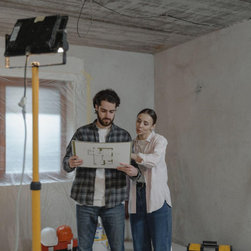


Why Is a House Inspection Important Before Moving In?
A home inspection visually examines a residential property’s entire structure, from roof to basement. It's a critical step in the home buying process because it alerts buyers to things that may require attention before finalizing a contract. While your mortgage lender or realtor may not require it, it is a highly recommended step to ensure you are investing in the right property.
Home inspections allow a buyer to identify any significant issues with a property. It is critical because it can be incorporated into the contract with the seller as a contingency. This contingency allows you to withdraw your purchase offer without incurring any penalties within a specified timeframe if a home inspection reveals issues or defects in the property.
Importance of Inspecting the House
The inspection typically takes between two and three hours. The property owner should be present during the inspection to obtain all critical information and, if necessary, to seek clarification.
Identify Safety Issues
The home inspection is an opportunity to conduct an in-depth inspection of the property you are considering buying. It's critical to understand that any house, even a newly constructed one, will have some issues discovered by a qualified home inspector. Some of the problems found may be minor, while others may be serious safety concerns.
Certain issues discovered during a home inspection are pretty common. The following are just a few of the most frequently found home inspection issues: worn roofing, improper electrical wiring, broken windows, and plumbing deficiencies.
A home inspection does not ensure that every detail of the property is to your liking, but it ensures it has no apparent safety issues.
Paint Job
Most construction firms use chalk paint on newly constructed properties' walls. Though the house may appear in good condition since it is only painted with chalk, it does not provide humidity protection.
As a result, the walls of your home would be susceptible to black moulds and fungus. These two are known allergens that may trigger allergic reactions in residents and may cause the walls to deteriorate. Repairing could cost hundreds of thousands of dollars, which is not worth the risk.
Relieves Anxiety
A home is one of the most significant purchases and investments anyone makes during their lifetime. One of the most compelling reasons to have a home inspection performed before moving into a home is the sense of security and alleviation of anxiety.
The primary goal of a home inspection is to ensure that the house is structurally sound and safe. By declining to have a home inspection, you may be adding unnecessary anxiety and stress to the situation. This anxiousness increases if you’re moving to another country.
For example, if you’re moving to Melbourne from London, conducting a house inspection eases your worry about the state of the house you’ll move into. Hence, finding trustworthy home inspectors, such as Landmark Inspections Melbourne, ensures a smoother and worry-free move even if you’re on an entirely new continent.
Trace Pest Infestation
It would be best if you were on the lookout for signs of pest infestations before moving in. Keep an eye out for termite evidence. Termites are well-known for wreaking havoc on any wooden material. The cost of termite damage repair can quickly deplete your savings. Apart from termites, look for signs of roach or rat infestations. These pests are known to carry a variety of diseases.
Relatively Inexpensive
The average home inspection costs between $300 and $600, depending on the size of the house. Given the significant investment that purchasing a home entails, the low cost of a home inspection should help you decide to have one effortlessly, even if you feel incredibly comfortable with the home you're moving in.
Buyers who waive their right to a home inspection frequently regret not spending the few hundred dollars it costs to hire a home inspector. When there are multiple offers on a property, the most common circumstance in which a buyer waives the right to an inspection is when there are various offers.
Suppose a seller receives multiple offers, and one of the offers is not contingent on a home inspection. In that case, the seller is likely to choose the offer without a home inspection contingency.
You Can Negotiate Seller For Repairs
The buyer is the only person who can determine which home inspection findings need to be fixed before proceeding. Certain buyers are easily scared away from home, while others are unconcerned by even significant inspection findings.
Following the completion of the home inspection, you will have the opportunity to request repairs from the homeowner. The homeowner will have the option of agreeing to the repairs or declining them. Without a home inspection, you will be unable to negotiate repairs with the seller, which is another critical reason why a home inspection is strongly recommended when moving to a new home.
Final Thoughts
When purchasing or moving into a home, it is highly recommended to have a home inspection performed, as it can provide you with an advantage before moving in, helping you make an informed decision. Relying on a professional home inspector can be advantageous for you and your savings in the long run.