

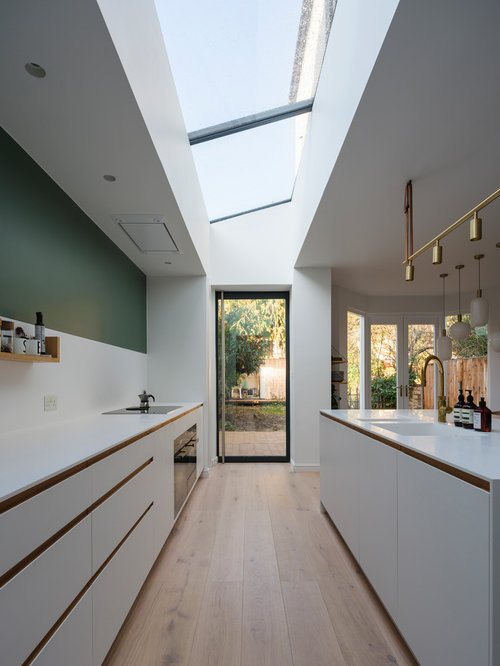
East London Remodel & Extension on Herongate Road
Venta Construction
4 years ago
Featured Answer
Sort by:Oldest
Comments (8)

Stephanie Hayes
4 years agoRelated Discussions
CLOSED In need of a makeover? WIN a bespoke design for your space!
Comments (90)Houzz competition I know the deadline has passed but I would like for you to see this. (The photos are not uploading properly) As embarrassing as it has been for myself and my mum; over the course of my life, I have lived in such a beautiful neighbourhood in the Blackfriars area for over 22 years and the only renovation or decoration that was done was in our kitchen by the council which was lovely. We also got a really nice gentleman to fix our blinds in the kitchen for us however only one side was done because he mentioned that the measurement was not accurate for the other window area so for months one side has been an open view which at times I don't mind, but everyone loves privacy from time to time. When it comes to the rest of the house - 1. The corridor - the walls are damaged by paint and mould so the walls feel quite rough with cracks which at times Ive hurt myself with small scratches... the corridor is sky blue but I also imagined my corridor in a yellow/magnolia colour with white borders and my mum even bought the paint but till now it was not done. 2. The doors in the corridor that lead to each room are off white and the doors don't shut properly anymore. 3. The toilet is separate to the bathroom it's really old and green colour is very boring, the toilet itself is faulty, the wall between the toilet and bathroom by the window is quite thin so it has ripped a little bit. The pipes are cracked and the mould is showing and I was thinking to get the council to wrap it up in some kind of polystyrene wrap. 4. The bathroom has ABESTOS around the window area as the ventilation is so bad and because the window is high up it is quite hard to reach to always open and close it. The bathroom was repainted white at one point but the colour didn't stay for long. Now it's mouldy and black. The pipes are bad and mouldy and the sink area is cracked around. I had an idea of painting it with the theme white and gold accessories or blue white and gold (which my mum purchased blue paint) but we never got around to doing anything. The bath itself sounds like it's about to fall through and many times there have been leaks downstairs into my neighbours flat. The council just used a cardboard/wooden barriers to cover the bath. 5. The front room had wallpaper before and was painted over. Now, on one side of the room a little bit of the wall paper is coming off very randomly as if it's shrinking (I don't remember taking off anything). The carpet was taken off completely but nothing was done to it. This area has become store space too (due to clutter and books). We have some nice brown/gold curtains which I visualised my living room to have a boutique type elegant brown/gold/cream theme. 6. Bedroom no. 1 has not been dealt with for years and so it has become a clutter room for clothes as well as the corridor. The room colour is sky blue but would love for this room to be an elegant green theme something classy for a mother. 7. Bedroom no. 2 is a baby pink room with the intention of painting the room white with splashes of colour. I started taking some things out and taking out my bed area but it's not complete as you can see by the photos. Overall this interior design is definitely needed because of how long it has taken for the decor process to be done. This is the conundrum that is needed to be solved....See MoreVictoria garden flat extension advice
Comments (11)Aftenoon. I would definitely advice getting a professional of board. If you're going with an interior designer or concept planner - now is the time to get them in. They can then work alongside you throughout your project and help you get your ideas into order and help you work out what's possible and what other contractors you will need on board. I would recommend sending your initial plans/ideas so a few interior designers you are considering and start getting some prices in. Don't forget to ask what you get for the money. Will they help with lighting plans, planning permission, do you get trade discounts? It will all matter to the over all spend of your project. With projects like this it's also great to make sure you chose someone who includes 3D imagery of the designs so you see exactly what you will be getting as an end result. I have attached a few recent project 3D's so you see what I mean. There are hundreds of designers on here so I would start looking at some portfolios and get a feel for the designer - it's important you get on and that you think they will understand *you* and be able to interpret *your* ideas into the final layout / design. I hope that helps but feel free to get in touch if i can be of any further assistance....See MoreExtension ideas please
Comments (36)To continue discussion I’ve tweaked Jonathons plan. Keep the downstairs new extension part J suggested but make a downstairs bed and ensuite plus separate wc where old dining kitchen is. Why I’ve suggested this is because then the new extension can be part single storey with some structural roof glazing and part two storey to enable a more fitting main bed and ensuite. If this was mine since I value outside space more than average I wouldn’t want to dominate the outside more than absolutely necessary and I’d like some roof glazing in the extension. Only having part of the new extension two storey might also allow part of the ground floor to be a storey and a half high. And the architects might be able to be creative and interesting in how the extension looks externally. Anyhow just a few thoughts. So drawing below is just to show downstairs bedroom change....See MoreGround floor remodel
Comments (36)Hi again. Now that we're in the house and can see what we might want to do, we've realised we really like having a family living area at the back of the house with access to the garden, but would love to open up to the kitchen. We feel like we have two options: 1. Knock through 2 walls to open the current breakfast area into the back room and create a kitchen diner, which would mean less family space at the back of the kitchen than at the moment. Then block off the current kitchen from the current breakfast area to create a separate utility area and downstairs toilet. (Pic 1). This option means blocking up the current side door in the breakfast area, and moving it to where the window is in the current kitchen. Not sure if this would be a problem. OR 2. Keep the kitchen where it is, knock through the same two walls and then have one huge long space. But no option for separate utility here. (Pic 2). Anyone have any thoughts? It feels like option 2 would mean the kitchen might feel a bit far away from "the action" - and yet would mean a really big family area at the back past the dining table. But no separate utility to keep washing machine noise down, hang washing up etc. I guess we need to work out priorities - family space versus ease of washing etc!! I realise what a ridiculous first world problem this sounds like!...See More
Lizzie RM
4 years ago
David Pérez Hernández
4 years ago
Mario Borrero
4 years ago
Cristina Garcia
4 years ago PRO
PROModern Concept: Bathrooms & Kitchens
4 years ago PRO
PROAVINU - Home Technology
4 years ago



Sara Linnea Bergström