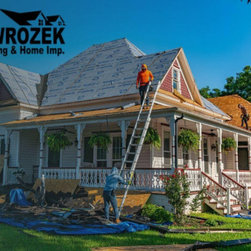


5 Warning Signs Your Roof May Need Emergency Repair
A roof problem does not always begin with water pouring into your living room. In many homes, serious roof damage starts quietly. A few damaged roof shingles, a small ceiling stain, loose flashing, or a roofline that looks slightly uneven can all be early signs that your home needs attention before the damage spreads. For homeowners in Michigan, this is especially important because heavy rain, strong winds, snow, ice, and seasonal temperature changes can turn a minor roofing issue into an emergency faster than expected.
Emergency roof repair is not only about fixing visible leaks. It is about protecting your home from water intrusion, structural damage, mold growth, insulation problems, and expensive interior repairs. When your roof is compromised, the entire home becomes vulnerable. Knowing the warning signs can help you act early, call professional roof repair services, and avoid a much bigger problem later.
Water Stains on Ceilings or Walls
One of the clearest signs your roof may need emergency roofing services is a water stain inside your home. These stains often appear as brown, yellow, or dark marks on ceilings, upper walls, or around corners where the wall meets the ceiling. Many homeowners assume a small stain is not urgent, especially if it only appears after heavy rain, but that is often when the roof is already allowing moisture to enter.
A roof leak can travel before it becomes visible. Water may enter through damaged shingles, flashing, vents, or roof valleys, then move along beams, insulation, or drywall before showing up inside the home. By the time you see a stain, the leak may have already affected hidden areas. If the stain grows after rain, feels damp, or comes with a musty smell, it is time to contact a roofing contractor Michigan homeowners can trust for a proper inspection.
Missing, Cracked, or Lifted Shingles
Damaged roof shingles are one of the most common reasons homeowners need storm damage roof repair. Shingles are designed to protect the roof deck from rain, wind, snow, and sunlight. When they crack, curl, lift, or go missing, the layers underneath become exposed. Even one missing shingle can create a weak point where water can enter during the next storm.
Michigan weather can be hard on asphalt shingles. Strong winds may lift shingles from the edges. Freeze-thaw cycles can make older shingles brittle. Hail can bruise or crack the surface. Over time, granule loss can reduce the shingle’s ability to protect the roof. If you notice shingles in your yard, uneven patches on the roof, bare spots, or edges that appear curled, you should not wait for a leak to confirm the problem. A professional roof inspection can determine whether a small repair is enough or whether the damage is more widespread.
A Sagging or Uneven Roofline
A sagging roofline is never something to ignore. While missing shingles and minor flashing issues may sometimes be repaired quickly, sagging can indicate deeper structural concerns. It may mean that moisture has weakened the decking, the support system is under stress, or the roof has been carrying too much weight from snow, ice, or trapped moisture.
You do not need to climb onto the roof to notice this warning sign. Stand at a safe distance from your home and look at the roofline from the ground. A healthy roof should appear straight and even. If you see dips, waves, soft-looking sections, or areas that appear to sink inward, the situation may require emergency roof repair. Sagging can become more dangerous during heavy rain or snow because extra weight increases the strain on the structure. In this case, calling a professional roofer quickly is the safest decision.
Leaks Around Chimneys, Vents, Skylights, or Flashing
Not every roof leak starts in the middle of the shingles. Many leaks begin around roof penetrations and transition points. Chimneys, vents, skylights, valleys, and sidewalls are all areas where flashing is used to direct water away from openings. When flashing becomes loose, rusted, cracked, or poorly sealed, water can slip behind the roofing system and enter the home.
This type of problem can be tricky because the shingles may still look fine from the ground. A homeowner may think the roof is in good condition while water is entering around a vent pipe or chimney. If you notice damp spots near a fireplace, stains around skylights, water marks in the attic, or moisture after wind-driven rain, flashing damage could be the reason. Professional roof repair services can inspect these vulnerable areas and correct the issue before it causes more expensive damage.
Storm Damage After Heavy Wind, Rain, Snow, or Hail
After severe weather, your roof may need attention even if there is no obvious leak. Storm damage roof repair is often needed because wind, hail, flying debris, and heavy rain can weaken the roof in ways that are not immediately visible. Shingles may lift but settle back down, flashing may loosen, gutters may pull away, or tree branches may scrape the surface and damage protective materials.
Homeowners should inspect their property from the ground after major storms. Look for shingles on the lawn, loose gutter sections, broken branches on the roof, damaged siding, or granules collecting near downspouts. These signs may suggest the roof absorbed more impact than it should have. If the storm was strong enough to damage nearby trees, fences, or exterior features, it is smart to have the roof checked as well. Waiting too long can allow small storm damage to become a serious leak during the next rainfall.
Why Fast Action Matters
Roof emergencies get worse when they are delayed. A small leak can soak insulation, damage drywall, stain ceilings, weaken wood, and create conditions where mold can grow. Damaged roof shingles can expose the underlayment. Loose flashing can allow repeated water entry. A sagging roof can become a safety concern if the underlying structure continues to weaken.
Fast action does not always mean you need a full roof replacement. In many cases, early roof repair services can stop the problem before it spreads. A qualified roofing contractor Michigan homeowners rely on can inspect the roof, find the source of the issue, recommend the right repair, and help protect the rest of the home. The key is not waiting until the damage becomes impossible to ignore.
When to Call a Roofing Professional
You should call a roofing professional when you see active leaking, water stains, missing shingles, storm damage, sagging areas, or signs of moisture in the attic. You should also call after severe weather if your roof is older or has already had previous repairs. Climbing onto the roof yourself can be risky, especially after rain, snow, or wind damage. A professional roofer has the training and equipment to inspect the roof safely and identify problems that may not be visible from the ground.
For Michigan homeowners, seasonal roof care is especially important. Roofs face snow loads in winter, ice buildup during freeze-thaw cycles, rain in spring, heat in summer, and wind throughout the year. These conditions can wear down roofing materials over time. Regular inspections and quick repairs help extend the life of the roof and reduce the risk of emergency situations.
Protect Your Home Before the Damage Spreads
Your roof is one of the most important parts of your home’s protection system. When it starts showing warning signs, quick attention can save you from major repair costs later. Water stains, damaged roof shingles, sagging sections, flashing leaks, and storm damage should never be treated as minor issues without proper inspection.
If you believe your roof may need emergency roof repair, do not wait for the next storm to prove it. Contact a trusted roofing contractor in Michigan and schedule a professional inspection. J. Wrozek Roofing & Home Improvements provides reliable roof repair services, storm damage roof repair, and emergency roofing services for homeowners who want their roofs handled with care, experience, and honest guidance.