

Animal Health Certificates and Pet Taxi Eurotunnel — What Every Pet Owner Must K
Understanding the Legal Requirements for Cross-Border Pet Travel
When planning to move a cat or dog between the United Kingdom and Europe via the Channel Tunnel, legal documentation is not optional — it is essential. The animal health certificate sits at the very centre of any compliant cross-border journey, and any pet owner using a pet taxi eurotunnel service needs to understand exactly what this document is, what it must contain, and how it must be obtained.
A pet taxi eurotunnel service that is worth its reputation will always begin the client relationship with a thorough explanation of the documentation requirements. However, it remains the owner's responsibility to understand what is required so they can work effectively with their chosen provider.
What Is an Animal Health Certificate?
An animal health certificate is an official document issued by a licensed and government-authorised veterinarian that confirms your pet is healthy and legally cleared for international travel. It is required for entry into EU member states and is also necessary for pets travelling from the EU into the United Kingdom.
The certificate is time-sensitive by design. It must be issued within ten days before the date of departure, which means owners cannot simply obtain it weeks in advance and hold onto it. This narrow window is intentional — it ensures that the health status recorded in the document is current and reflects the actual condition of the animal at the time of travel.
What Information Must the Certificate Contain?
A valid animal health certificate for pet taxi eurotunnel travel must include all of the following:
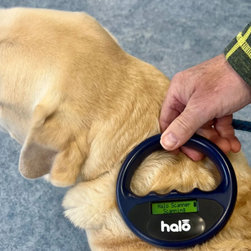
Microchip Information Your pet must be implanted with an ISO-standard microchip (ISO 11784 or ISO 11785 compliant). The microchip number must be clearly stated in the certificate, and the chip must have been implanted before the rabies vaccination was administered.
Pet Identification Details The certificate must clearly describe your pet, including their name, species, breed, colour, date of birth, and sex.
Vaccination Records A detailed history of rabies vaccination is mandatory. This includes the name of the vaccine manufacturer, the vaccine brand name, the date of administration, the batch or serial number, and the expiry date of the vaccine.
Parasite Treatment Records Depending on the destination country, your pet may require documented treatment for internal and external parasites. This is particularly relevant for dogs travelling into the UK, where tapeworm treatment is a specific entry requirement.
Veterinary Authorisation The certificate must be signed and stamped by a government-authorised veterinarian. In many countries, the document may also need to be endorsed by an official government body before departure.
Rabies Blood Test Results Some travel routes or destination countries require a rabies antibody titre test to confirm immunity. If your pet's vaccination history is not compliant with entry rules, a titre test result may be required and must be included in the documentation.
How a Pet Taxi Eurotunnel Service Helps with Documentation
Navigating the documentation landscape for international pet travel is genuinely complex. Requirements vary depending on the departure country, the destination country, the specific entry rules in place at the time of travel, and sometimes even the specific route taken. Professional pet taxi eurotunnel providers maintain up-to-date knowledge of these requirements and can guide owners through the entire documentation process.
This typically includes advising on the appropriate timeline for vaccinations and treatments, recommending trusted veterinary partners experienced in travel documentation, reviewing the completed certificate before travel, and liaising with border officials on the owner's behalf when necessary.
Common Mistakes to Avoid
Several documentation errors consistently cause problems at Eurotunnel crossings. These include:
- An animal health certificate issued more than ten days before departure
- A rabies vaccination that has expired or was administered after microchipping
- Missing parasite treatment records for dogs entering the UK
- A certificate not endorsed by an official government veterinarian
- Microchip not readable by standard ISO scanners
Each of these errors can result in your pet being turned away at the border or placed in mandatory quarantine. Working with a reputable pet taxi eurotunnel service significantly reduces the likelihood of these issues occurring.
When to Start the Process
Ideally, preparation for an international pet journey should begin at least three to six months before the planned departure date. Some vaccination protocols require waiting periods before a pet is cleared for travel, and blood test results can take several weeks to be confirmed. Beginning early gives you adequate time to address any health issues, complete all required treatments, and obtain official endorsements on documentation without the pressure of a last-minute deadline.
Conclusion
The animal health certificate is the cornerstone of lawful pet taxi eurotunnel travel. Understanding its requirements, working with qualified professionals, and beginning preparations well in advance are the three most important steps any pet owner can take to ensure a smooth, legal, and stress-free crossing for their beloved companion.