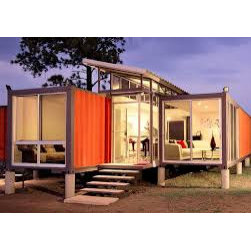


Maison container and Microclimates: Is Living in a Metal Box Really Viable?
1. Introduction
Imagine a maison container standing under a burning sun—the common stereotype is that it’s nothing more than a “metal oven.”
But is this image accurate? Can you really live in a container home comfortably all year round?
2. Steel: A Strong Ally but Thermally Demanding
Shipping containers are designed to withstand harsh weather conditions, but not to provide insulation.
The challenge comes from steel itself—it conducts heat and cold extremely well, creating risks of condensation, overheating in summer, and freezing in winter.
Myth vs. Reality: Raw containers are indeed unlivable. But when thoughtfully designed and insulated, they can become surprisingly comfortable homes.
3. Innovative Insulation Solutions
To make a container home livable, insulation is essential. Several innovative methods exist:
Imagine a maison container standing under a burning sun—the common stereotype is that it’s nothing more than a “metal oven.”
But is this image accurate? Can you really live in a container home comfortably all year round?
2. Steel: A Strong Ally but Thermally Demanding
Shipping containers are designed to withstand harsh weather conditions, but not to provide insulation.
The challenge comes from steel itself—it conducts heat and cold extremely well, creating risks of condensation, overheating in summer, and freezing in winter.
Myth vs. Reality: Raw containers are indeed unlivable. But when thoughtfully designed and insulated, they can become surprisingly comfortable homes.
3. Innovative Insulation Solutions
To make a container home livable, insulation is essential. Several innovative methods exist:
- Bio-based materials such as hemp, straw, and wood wool provide both ecological benefits and strong thermal performance.
- Technical insulators such as spray foam, composite panels, and expanded cork deliver high efficiency in thinner layers.
- Green roofs bring freshness in summer, insulation in winter, and better humidity regulation.
- Exterior cladding (wood, raw earth, lime-hemp coatings) acts as a natural barrier against temperature swings.
- Natural ventilation and Canadian wells (earth tubes) maintain airflow and balance extreme temperatures.
- Strategic openings—like solar-oriented windows, double glazing, and sunshades—maximize natural light while preventing overheating.
- In hot climates, container homes with reflective cladding, ventilation, and insulation manage to stay cool despite outside temperatures above 35°C.
- In cold climates, reinforced insulation and airtight design help maintain comfortable interiors, even when outside temperatures fall below -10°C.
- Maison container projects are increasingly seen as ecological innovation labs.
- Tomorrow, we might see entire neighborhoods built from containers, achieving passive thermal comfort without heavy reliance on heating or cooling systems.
A quick comparison highlights their advantages, disadvantages, costs, and performance levels—helping owners choose the best option for their project.
4. Creating a Microclimate: More Than Just Insulation
True comfort inside a container home requires more than insulation. It’s about building a controlled microclimate.
5. Testimonials and Case Studies
Real-life examples prove that container homes can adapt to very different climates:
Homeowners often report significant energy savings and improved comfort compared to traditional housing.
6. The Future of Container Homes: Resilient Living?
As climate change increases extreme weather events, the adaptability of container homes becomes more valuable.
This potential makes container housing not just an alternative, but a resilient solution for the future.
7. Conclusion
To sum up: a raw shipping container is certainly unlivable. But with proper design, insulation, and climate-adaptive strategies, a maison container can outperform traditional construction in comfort and sustainability.
It’s not a rigid metal box—it’s a flexible, modular envelope where you can invent your own microclimate.
✨ Final Thought: A container home is more than recycled steel. It’s a creative foundation for modern, eco-friendly living.