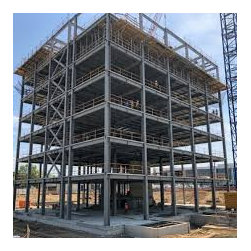


Structural Columns: The Backbone of Modern Construction
In the world of construction and civil engineering, few elements are as critical as structural columns. These vertical load-bearing components play a central role in transferring the weight of a structure from the upper levels down to the foundation. Whether in residential buildings, commercial complexes, bridges, or industrial facilities, structural columns ensure stability, safety, and long-term performance.
This article explores what structural columns are, their types, materials, design considerations, and why they are indispensable in modern construction.
What Are Structural Columns?
Structural columns are vertical structural members designed to carry compressive loads. Their primary function is to support beams, slabs, and roofs, transferring loads safely to the foundation or ground. Unlike architectural columns, which may be decorative, structural columns are engineered specifically for strength and stability.
They are designed based on factors such as load capacity, building height, material properties, environmental conditions, and local building codes. A failure in column design or execution can compromise the entire structure, making them one of the most critical elements in construction.
Importance of Structural Columns in Buildings
Structural columns serve several essential purposes:
This article explores what structural columns are, their types, materials, design considerations, and why they are indispensable in modern construction.
What Are Structural Columns?
Structural columns are vertical structural members designed to carry compressive loads. Their primary function is to support beams, slabs, and roofs, transferring loads safely to the foundation or ground. Unlike architectural columns, which may be decorative, structural columns are engineered specifically for strength and stability.
They are designed based on factors such as load capacity, building height, material properties, environmental conditions, and local building codes. A failure in column design or execution can compromise the entire structure, making them one of the most critical elements in construction.
Importance of Structural Columns in Buildings
Structural columns serve several essential purposes:
- Load Transfer: They channel vertical loads from floors and roofs down to the foundation.
- Structural Stability: Columns resist buckling and maintain the overall integrity of the structure.
- Durability: Properly designed columns extend the lifespan of buildings.
- Design Flexibility: Strategically placed columns allow for larger open spaces and efficient layouts.
- Reinforced Concrete Columns: Widely used due to their strength, durability, and fire resistance. They consist of concrete reinforced with steel bars.
- Steel Columns: Known for high strength-to-weight ratio and flexibility in design. Common in high-rise and industrial buildings.
- Timber Columns: Used in low-rise or traditional structures, offering aesthetic appeal and sustainability.
- Composite Columns: Combine materials such as steel and concrete to leverage the benefits of both.
- Square or Rectangular Columns: Common in residential and commercial buildings.
- Circular Columns: Offer uniform strength and are often used in bridges and architectural designs.
- L-shaped or T-shaped Columns: Used where walls intersect or space optimization is required.
- Axially Loaded Columns: Carry loads directly along their vertical axis.
- Eccentrically Loaded Columns: Experience bending due to off-center loads.
- Load Calculations: Dead loads, live loads, wind loads, and seismic forces must be accurately assessed.
- Slenderness Ratio: Tall, slender columns are more prone to buckling and require special design attention.
- Material Strength: Concrete grade, steel yield strength, or timber quality directly affect performance.
- Environmental Exposure: Moisture, temperature variations, and corrosion risks influence material selection.
- Building Codes: Local and international standards ensure safety and compliance.
- Site Preparation: Ensuring proper foundation alignment.
- Formwork Setup: Shaping concrete columns accurately.
- Reinforcement Placement: Installing steel bars as per design.
- Concrete Pouring or Steel Erection: Executing construction with precision.
- Curing and Inspection: Ensuring strength development and quality control.
- Cracking due to shrinkage or overload
- Corrosion of steel reinforcement
- Spalling of concrete
- Damage from seismic activity
- High-Strength Materials: Allow slimmer columns with higher load capacity.
- Sustainable Construction: Use of recycled steel and low-carbon concrete.
- Smart Monitoring: Sensors embedded in columns to track stress and damage.
- Modular Construction: Prefabricated columns for faster and more precise installation.
These innovations enhance efficiency, sustainability, and safety in modern construction projects.
Without well-designed structural columns, even the most advanced building materials and techniques cannot ensure safety.
Types of Structural Columns
Structural columns can be classified in several ways, depending on material, shape, and loading conditions.
1. Based on Material
2. Based on Shape
3. Based on Loading
Design Considerations for Structural Columns
Designing structural columns is a complex process that requires careful analysis and adherence to engineering standards. Some key considerations include:
Modern engineering software is often used to simulate load behavior and optimize column design.
Structural Columns in Different Construction Sectors
Residential Buildings
In homes and apartment buildings, structural columns are often integrated into walls or concealed to maintain aesthetics while providing support.
Commercial and High-Rise Structures
High-rise buildings rely heavily on steel and composite columns to handle enormous loads and resist lateral forces such as wind.
Industrial Facilities
Factories and warehouses use heavy-duty structural columns designed for large spans and high load capacities.
Bridges and Infrastructure
Columns, often referred to as piers, support bridge decks and must withstand dynamic loads and environmental stress.
Construction and Installation Process
The construction of structural columns involves several key steps:
Quality workmanship during these stages is essential to prevent defects such as cracks, misalignment, or insufficient load capacity.
Common Issues and Maintenance
Despite robust design, structural columns can face issues over time:
Regular inspections, timely repairs, and protective measures such as coatings or retrofitting can significantly extend their service life.
Future Trends in Structural Column Design
Advancements in construction technology are reshaping how structural columns are designed and used:
Conclusion
Structural columns are the unsung heroes of the built environment. From supporting towering skyscrapers to stabilizing modest homes, they form the backbone of structural integrity. Understanding their types, materials, and design principles is essential for engineers, architects, builders, and anyone involved in construction.
As technology evolves and sustainability becomes a priority, structural columns will continue to adapt—remaining fundamental to safe, efficient, and innovative building design.