

Why an Integrated Design-Build Approach Creates Homes That Truly Live Well
On Houzz, homeowners often ask the same question in many different ways: How do you create a home that feels both beautiful and effortless to live in?
The answer is rarely found in a single feature or design trend. More often, it lies in how thoughtfully the home was planned, coordinated, and built from the very beginning..
In traditional residential construction, architecture, interior design, and construction are frequently handled by separate teams. While each professional may bring expertise and creativity, this fragmented structure can unintentionally create gaps—gaps in communication, alignment, and execution. The result may be a home that looks impressive on paper, yet feels disjointed or inefficient once completed.
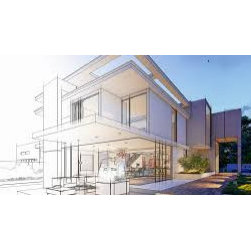
An integrated design-build approach resolves these challenges by unifying all disciplines under one roof. Architects, designers, and builders collaborate from day one, working toward a shared vision that carries seamlessly through every phase of the project. For homeowners who value clarity, efficiency, and cohesive design, this approach has become increasingly compelling.
Granada Design and Build has embraced this philosophy since its founding in 2002. Serving Los Gatos, Monte Sereno, Saratoga, and Pebble Beach, the firm specializes in custom homes, thoughtful remodels, and reconfigured living spaces that balance refined design with everyday functionality. Their work demonstrates how integration leads to homes that are not only visually sophisticated, but intuitive and deeply livable.
The Value of Early Collaboration
One of the most significant advantages of the design-build model is collaboration at the earliest stages of planning. When architects and builders work together from the outset, design decisions are informed by real-world construction knowledge. Structural systems, material selections, and spatial layouts are evaluated simultaneously, reducing the likelihood of costly revisions later.
For homeowners, this translates into fewer surprises. Budget parameters, timelines, and feasibility are addressed upfront rather than uncovered mid-construction. Each decision is made with a holistic understanding of its impact on the entire home, resulting in a smoother, more predictable experience.
Designing for the Way People Actually Live
In custom home construction, success is not defined by size or luxury alone. It is measured by how spaces relate to one another and support daily life. Circulation feels natural, private and shared areas are intentionally balanced, and transitions between rooms are seamless rather than forced.
Kitchens offer a clear example of this advantage. In an integrated design-build process, layout, lighting, circulation, and material selection are considered together. Rather than designing a beautiful space and hoping it functions well, practicality and aesthetics evolve in tandem. The same principle applies to bathroom remodeling, where comfort, durability, and visual calm must coexist effortlessly.
Thoughtful Solutions for Remodeling and Additions
Remodeling existing homes introduces a unique set of challenges. Older layouts may no longer align with modern lifestyles, and structural constraints can limit design flexibility. A unified team is better equipped to navigate these complexities, developing creative solutions that respect the home’s original character while enhancing usability.
Granada Design and Build frequently focuses on reconfiguring floor plans to improve flow and natural light. Walls are removed or repositioned, connections between rooms are strengthened, and spaces are opened with intention. While these changes may appear subtle, their impact on daily living is profound.
Additions demand the same level of integration. Expanding a home is about more than adding square footage—it requires sensitivity to scale, proportion, and architectural rhythm. When design and construction are aligned, additions feel like natural extensions of the original home rather than afterthoughts.
Clarity, Craftsmanship, and Confidence
Clear communication is another cornerstone of successful design-build projects. With a single team guiding the process, homeowners benefit from a streamlined point of contact and consistent messaging. Questions are addressed efficiently, changes are evaluated holistically, and projects maintain forward momentum.
This clarity significantly reduces stress—one of the most common concerns homeowners have when building or remodeling. Knowing that every detail is being considered within a unified framework allows clients to focus on the excitement of creating their home rather than managing logistics.
Beyond efficiency, integration elevates craftsmanship. Builders understand the intent behind each design decision, and designers account for how details will be executed in the field. This mutual respect leads to fewer compromises and a higher level of precision throughout the project.
In luxury home building, these nuances make all the difference. Finishes align seamlessly with architectural intent, custom elements are executed with care, and the final result feels cohesive from the foundation to the smallest interior detail.
Homes That Feel Considered, Not Assembled
A home created through an integrated design-build process simply feels different. It flows naturally, supports the rhythms of daily life, and stands the test of time. It doesn’t feel assembled—it feels considered.
For homeowners exploring new home construction, kitchen or bathroom remodeling, or transformative renovations in Los Gatos and surrounding communities, the design-build model offers a compelling path forward. By bringing all disciplines together, firms like Granada Design and Build create homes that are not only visually compelling, but truly livable.
When form and function exist in harmony, a home does more than impress—it enhances the way people live. Through collaboration, clarity, and craftsmanship, the integrated design-build approach makes that harmony possible.
The answer is rarely found in a single feature or design trend. More often, it lies in how thoughtfully the home was planned, coordinated, and built from the very beginning..
In traditional residential construction, architecture, interior design, and construction are frequently handled by separate teams. While each professional may bring expertise and creativity, this fragmented structure can unintentionally create gaps—gaps in communication, alignment, and execution. The result may be a home that looks impressive on paper, yet feels disjointed or inefficient once completed.
An integrated design-build approach resolves these challenges by unifying all disciplines under one roof. Architects, designers, and builders collaborate from day one, working toward a shared vision that carries seamlessly through every phase of the project. For homeowners who value clarity, efficiency, and cohesive design, this approach has become increasingly compelling.
Granada Design and Build has embraced this philosophy since its founding in 2002. Serving Los Gatos, Monte Sereno, Saratoga, and Pebble Beach, the firm specializes in custom homes, thoughtful remodels, and reconfigured living spaces that balance refined design with everyday functionality. Their work demonstrates how integration leads to homes that are not only visually sophisticated, but intuitive and deeply livable.
The Value of Early Collaboration
One of the most significant advantages of the design-build model is collaboration at the earliest stages of planning. When architects and builders work together from the outset, design decisions are informed by real-world construction knowledge. Structural systems, material selections, and spatial layouts are evaluated simultaneously, reducing the likelihood of costly revisions later.
For homeowners, this translates into fewer surprises. Budget parameters, timelines, and feasibility are addressed upfront rather than uncovered mid-construction. Each decision is made with a holistic understanding of its impact on the entire home, resulting in a smoother, more predictable experience.
Designing for the Way People Actually Live
In custom home construction, success is not defined by size or luxury alone. It is measured by how spaces relate to one another and support daily life. Circulation feels natural, private and shared areas are intentionally balanced, and transitions between rooms are seamless rather than forced.
Kitchens offer a clear example of this advantage. In an integrated design-build process, layout, lighting, circulation, and material selection are considered together. Rather than designing a beautiful space and hoping it functions well, practicality and aesthetics evolve in tandem. The same principle applies to bathroom remodeling, where comfort, durability, and visual calm must coexist effortlessly.
Thoughtful Solutions for Remodeling and Additions
Remodeling existing homes introduces a unique set of challenges. Older layouts may no longer align with modern lifestyles, and structural constraints can limit design flexibility. A unified team is better equipped to navigate these complexities, developing creative solutions that respect the home’s original character while enhancing usability.
Granada Design and Build frequently focuses on reconfiguring floor plans to improve flow and natural light. Walls are removed or repositioned, connections between rooms are strengthened, and spaces are opened with intention. While these changes may appear subtle, their impact on daily living is profound.
Additions demand the same level of integration. Expanding a home is about more than adding square footage—it requires sensitivity to scale, proportion, and architectural rhythm. When design and construction are aligned, additions feel like natural extensions of the original home rather than afterthoughts.
Clarity, Craftsmanship, and Confidence
Clear communication is another cornerstone of successful design-build projects. With a single team guiding the process, homeowners benefit from a streamlined point of contact and consistent messaging. Questions are addressed efficiently, changes are evaluated holistically, and projects maintain forward momentum.
This clarity significantly reduces stress—one of the most common concerns homeowners have when building or remodeling. Knowing that every detail is being considered within a unified framework allows clients to focus on the excitement of creating their home rather than managing logistics.
Beyond efficiency, integration elevates craftsmanship. Builders understand the intent behind each design decision, and designers account for how details will be executed in the field. This mutual respect leads to fewer compromises and a higher level of precision throughout the project.
In luxury home building, these nuances make all the difference. Finishes align seamlessly with architectural intent, custom elements are executed with care, and the final result feels cohesive from the foundation to the smallest interior detail.
Homes That Feel Considered, Not Assembled
A home created through an integrated design-build process simply feels different. It flows naturally, supports the rhythms of daily life, and stands the test of time. It doesn’t feel assembled—it feels considered.
For homeowners exploring new home construction, kitchen or bathroom remodeling, or transformative renovations in Los Gatos and surrounding communities, the design-build model offers a compelling path forward. By bringing all disciplines together, firms like Granada Design and Build create homes that are not only visually compelling, but truly livable.
When form and function exist in harmony, a home does more than impress—it enhances the way people live. Through collaboration, clarity, and craftsmanship, the integrated design-build approach makes that harmony possible.