

How Smart Home Features Improve Secure and Private Home Storage
Smart home technology is reshaping how you manage privacy and security in your personal storage spaces. Enhanced convenience and control mean you can protect sensitive belongings while maintaining seamless household routines. As home design priorities evolve, integrating intelligent features into storage has become both practical and desirable.
Private storage at home is becoming more important as families emphasize personal boundaries and the need to keep some items accessible only to adults. Particularly when balancing shared and individual needs within changing households, you may look for solutions that combine discretion, everyday usability, and cohesive design. Smart home technology enables secure and practical ways to manage these priorities without disrupting the look or function of your living spaces.
Addressing privacy concerns and everyday usability
More households are prioritizing private storage because daily life often requires boundaries. You might wish to keep medicines, important documents, valuables, or adult-only items safely away from children or visitors without the hassle of a traditional key. The rise of open-plan layouts and multipurpose spaces makes thoughtful solutions even more essential.
Modern smart home technology can help you discreetly integrate secure storage with minimal disruption to your routine. Instead of bulky standalone safes, smart locks and hidden compartments allow for seamless access when needed. This enables you to maintain visual simplicity while establishing zones that remain off-limits to others in the home.
The shift toward remote work and flexible living arrangements has further amplified the need for secure personal storage within shared spaces. When multiple family members occupy the home throughout the day, establishing clear boundaries around certain belongings becomes essential for maintaining both privacy and peace of mind. Smart storage solutions allow you to create these boundaries without resorting to obvious physical barriers that might feel unwelcoming or create tension within the household. By implementing technology that works quietly in the background, you preserve the comfortable, open atmosphere of your home while ensuring that sensitive items remain accessible only to those who should have access.
Smart security options in everyday home areas
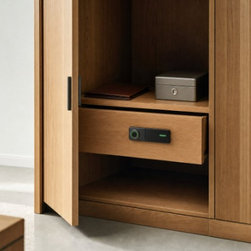
Rooms such as bedrooms, home offices, mudrooms, and utility spaces increasingly benefit from integrated smart security. Where you store more sensitive items inside a wardrobe, bedside drawer, or under-stair cupboard often determines which smart solution fits best. For example, a fingerprint lock on a closet ensures only authorized users can access private sections while blending discreetly into the cabinetry.
In other cases, concealed compartments with phone-based smart locks offer practical security for valuables that need extra protection. Deciding whether to use a dedicated secure drawer or a small safe depends on what you need to store and how often you need access. Many designers now include secure, tech-enabled storage as standard in contemporary millwork.
Nicotine pouches and snus as adult-only items
Nicotine pouches and snus are also examples of items that may need discreet and secure storage at home. Even when used responsibly by adults, they should be kept away from children, teenagers, guests, or anyone who should not have access to them. A locked drawer, smart cabinet, or small concealed compartment can make it easier to store these products safely without leaving them visible in shared spaces.
For households where several people use the same bathroom, bedroom, or utility area, secure storage helps prevent confusion and accidental access. Smart storage solutions can be especially useful because they allow adults to keep nicotine products close at hand while still maintaining clear boundaries. This supports a more organized home environment where adult-only items are managed with both privacy and responsibility.
Understanding core smart storage features and reliability
Your choice of smart locks includes keypad, fingerprint, and mobile app access. Each type offers unique reliability features and accessibility options suited for homes with multiple adults. Auto-locking and time-limited codes support daily convenience, adding layers of protection to cabinets or drawers where sensitive materials are kept.
In multi-adult households, audit trails and flexible access management help you keep track of who enters private spaces and when. This transparency builds trust and allows you to adjust permissions quickly if needed. Motion-detection sensors further enhance monitoring by alerting you to any unplanned access attempts.
Integrating security technology with thoughtful design
Homeowners often want to maintain clean lines and cohesive aesthetics, even as they invest in higher security for storage. Concealed hardware and integrated smart components allow you to keep cabinet fronts uncluttered and match existing décor, rather than drawing attention to secure areas.
Planning for smart storage is simplest during renovations, but retrofitting is possible. Careful installation ensures power sources, such as batteries or discreetly concealed wiring, are accessible for maintenance without compromising visual harmony. It is important to anticipate maintenance needs to avoid a dead lock caused by depleted batteries.
Smart home technology also relies on consistent connectivity, so you should consider Wi-Fi versus Bluetooth compatibilities when adding security devices inside cabinetry. Mechanical override systems are a recommended contingency, ensuring you can always access items even if electronic access is interrupted. When adding sensors or alarms, subtle notification options can keep you informed without disrupting household peace.
Private storage at home is becoming more important as families emphasize personal boundaries and the need to keep some items accessible only to adults. Particularly when balancing shared and individual needs within changing households, you may look for solutions that combine discretion, everyday usability, and cohesive design. Smart home technology enables secure and practical ways to manage these priorities without disrupting the look or function of your living spaces.
Addressing privacy concerns and everyday usability
More households are prioritizing private storage because daily life often requires boundaries. You might wish to keep medicines, important documents, valuables, or adult-only items safely away from children or visitors without the hassle of a traditional key. The rise of open-plan layouts and multipurpose spaces makes thoughtful solutions even more essential.
Modern smart home technology can help you discreetly integrate secure storage with minimal disruption to your routine. Instead of bulky standalone safes, smart locks and hidden compartments allow for seamless access when needed. This enables you to maintain visual simplicity while establishing zones that remain off-limits to others in the home.
The shift toward remote work and flexible living arrangements has further amplified the need for secure personal storage within shared spaces. When multiple family members occupy the home throughout the day, establishing clear boundaries around certain belongings becomes essential for maintaining both privacy and peace of mind. Smart storage solutions allow you to create these boundaries without resorting to obvious physical barriers that might feel unwelcoming or create tension within the household. By implementing technology that works quietly in the background, you preserve the comfortable, open atmosphere of your home while ensuring that sensitive items remain accessible only to those who should have access.
Smart security options in everyday home areas
Rooms such as bedrooms, home offices, mudrooms, and utility spaces increasingly benefit from integrated smart security. Where you store more sensitive items inside a wardrobe, bedside drawer, or under-stair cupboard often determines which smart solution fits best. For example, a fingerprint lock on a closet ensures only authorized users can access private sections while blending discreetly into the cabinetry.
In other cases, concealed compartments with phone-based smart locks offer practical security for valuables that need extra protection. Deciding whether to use a dedicated secure drawer or a small safe depends on what you need to store and how often you need access. Many designers now include secure, tech-enabled storage as standard in contemporary millwork.
Nicotine pouches and snus as adult-only items
Nicotine pouches and snus are also examples of items that may need discreet and secure storage at home. Even when used responsibly by adults, they should be kept away from children, teenagers, guests, or anyone who should not have access to them. A locked drawer, smart cabinet, or small concealed compartment can make it easier to store these products safely without leaving them visible in shared spaces.
For households where several people use the same bathroom, bedroom, or utility area, secure storage helps prevent confusion and accidental access. Smart storage solutions can be especially useful because they allow adults to keep nicotine products close at hand while still maintaining clear boundaries. This supports a more organized home environment where adult-only items are managed with both privacy and responsibility.
Understanding core smart storage features and reliability
Your choice of smart locks includes keypad, fingerprint, and mobile app access. Each type offers unique reliability features and accessibility options suited for homes with multiple adults. Auto-locking and time-limited codes support daily convenience, adding layers of protection to cabinets or drawers where sensitive materials are kept.
In multi-adult households, audit trails and flexible access management help you keep track of who enters private spaces and when. This transparency builds trust and allows you to adjust permissions quickly if needed. Motion-detection sensors further enhance monitoring by alerting you to any unplanned access attempts.
Integrating security technology with thoughtful design
Homeowners often want to maintain clean lines and cohesive aesthetics, even as they invest in higher security for storage. Concealed hardware and integrated smart components allow you to keep cabinet fronts uncluttered and match existing décor, rather than drawing attention to secure areas.
Planning for smart storage is simplest during renovations, but retrofitting is possible. Careful installation ensures power sources, such as batteries or discreetly concealed wiring, are accessible for maintenance without compromising visual harmony. It is important to anticipate maintenance needs to avoid a dead lock caused by depleted batteries.
Smart home technology also relies on consistent connectivity, so you should consider Wi-Fi versus Bluetooth compatibilities when adding security devices inside cabinetry. Mechanical override systems are a recommended contingency, ensuring you can always access items even if electronic access is interrupted. When adding sensors or alarms, subtle notification options can keep you informed without disrupting household peace.