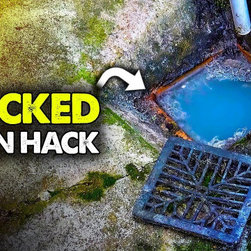


How to Spot, Clear and Prevent a Blocked Drain
A slow-draining sink is easy to ignore until the water stops moving altogether. Blocked drains rarely happen overnight; they build quietly over weeks and months until a small nuisance becomes a flooded floor, a foul smell, or a repair bill that could have been avoided. The good news is that most blockages give you plenty of warning, and understanding what causes them is the first step to keeping your drainage system healthy.
The Early Warning Signs You Shouldn't Ignore
Your drainage system usually tells you it is struggling long before it fails completely. Learning to read these signals can save you significant time and money.
What Actually Causes Blocked Drains
Blockages are almost always the result of the wrong things ending up in the wrong place over time. Knowing the usual culprits helps you understand why a blockage has happened, and how to prevent the next one.
Inside the Home
Kitchen drains suffer most from grease, cooking oil and food particles. Fats poured down the sink may be liquid when warm, but they cool and solidify inside the pipe, gradually narrowing it until water can no longer pass. In bathrooms, the usual offenders are hair, soap residue and product build-up, which knit together into dense clumps. Toilets block when items that should never be flushed, such as wet wipes, sanitary products and cotton pads, snag inside the bend and trap everything that follows.
Outside the Home
External drains face a different set of problems. Leaves, silt, mud and general garden debris wash into gullies and settle there. Over longer periods, tree roots can find their way into small cracks or joints in underground pipework, growing inside the pipe and eventually splitting it. Older clay or pitch-fibre pipes are particularly vulnerable to collapse and root intrusion.
What You Can Safely Try Yourself
For a minor, recent blockage it is reasonable to attempt a simple fix before calling anyone out:
It is worth being cautious with shop-bought chemical drain cleaners. They can clear minor clogs, but used repeatedly they corrode older pipework and rarely solve the underlying problem. If a blockage returns within days, keeps recurring, or affects more than one fixture, the cause is usually deeper in the system and a DIY approach will only delay a proper repair.
How Professionals Clear Stubborn Blockages
When a blockage sits beyond the reach of a plunger, drainage engineers use equipment designed to clear pipes thoroughly without damaging them.
CCTV Drain Surveys
Rather than guessing, engineers feed a small waterproof camera through the pipework to see exactly what is causing the blockage and where it sits. This is especially valuable for underground drains, where a survey can distinguish between a simple build-up, a root intrusion, and a structural fault such as a cracked or collapsed pipe. Seeing the problem clearly means the right repair is chosen the first time.
High-Pressure Water Jetting
For most stubborn blockages, high-pressure water jetting is the most effective solution. A controlled jet of water scours grease, sludge, scale and debris from the inside of the pipe, restoring full flow and leaving the walls clean. Because it relies on water rather than force, it clears the pipe without the wear that mechanical rodding can cause, and it helps slow the return of future blockages.
Experienced drainage companies such as Drainage & Plumbing Ltd combine camera surveys with jetting so that the blockage is not only cleared but also diagnosed, which matters when a recurring problem points to damage rather than simple build-up. In built-up areas where older shared drainage is
common, calling a drainage specialist covering Croydon and the surrounding boroughs early can stop a minor obstruction turning into a property-wide problem.
How to Prevent Blocked Drains Coming Back
Most blockages are preventable with a few consistent habits. Prevention is far cheaper and less disruptive than an emergency call-out.
When to Call a Professional
Call a drainage specialist if a blockage keeps returning, affects several fixtures at once, produces persistent bad smells, or causes water to back up into the property. These are signs the problem is structural or deep within the system, where the right equipment and experience make the difference between a quick fix and an expensive one. Acting early almost always costs less than waiting for a blockage to turn into a flood.
Frequently Asked Questions
Why does my drain keep blocking even after I clear it?
A blockage that returns quickly usually means the underlying cause is still there, such as a build-up of hardened grease, an accumulation of roots, or a partial pipe collapse. A CCTV survey is the most reliable way to find out what is really going on.
Are chemical drain cleaners safe to use regularly?
Occasional use on a minor clog is usually fine, but frequent use can corrode older pipes and damage seals. They also mask, rather than resolve, deeper problems. For anything persistent, mechanical clearing or jetting is safer and more effective.
How can I tell if the blockage is in my drain or the shared sewer?
If only one fixture is affected, the blockage is usually local to that pipe. If several appliances drain slowly at the same time, or an external manhole is overflowing, the problem is likely in a shared drain and should be assessed professionally.
Is high-pressure jetting safe for old pipes?
For sound pipework, jetting is safe and highly effective. On very old or already damaged pipes, an engineer will normally run a camera survey first to check the pipe's condition before deciding on the safest clearing method.
This article was contributed by the team at Drainage & Plumbing Ltd, a drainage and plumbing company serving Kent, Sussex, Surrey and South London. Local homeowners can reach their Bromley team for blocked-drain call-outs across the borough.
The Early Warning Signs You Shouldn't Ignore
Your drainage system usually tells you it is struggling long before it fails completely. Learning to read these signals can save you significant time and money.
- Slowdrainage: Water pooling in the sink, bath or shower and taking longer than usual to clear is the most common early sign of a partial blockage.
- Gurglingsounds: Air trapped behind a blockage escapes back up the pipe, producing a distinctive bubbling noise from plugholes and toilets.
- Unpleasantodours: Trapped waste begins to rot inside the pipe, releasing a stale or sewage-like smell around drains and gullies.
- Risingwater levels: A toilet that fills higher than normal before slowly draining is a strong sign of an obstruction further down the line.
- Multipleslow fixtures: If several appliances drain slowly at once, the problem is likely in a shared or external drain rather than a single pipe.
What Actually Causes Blocked Drains
Blockages are almost always the result of the wrong things ending up in the wrong place over time. Knowing the usual culprits helps you understand why a blockage has happened, and how to prevent the next one.
Inside the Home
Kitchen drains suffer most from grease, cooking oil and food particles. Fats poured down the sink may be liquid when warm, but they cool and solidify inside the pipe, gradually narrowing it until water can no longer pass. In bathrooms, the usual offenders are hair, soap residue and product build-up, which knit together into dense clumps. Toilets block when items that should never be flushed, such as wet wipes, sanitary products and cotton pads, snag inside the bend and trap everything that follows.
Outside the Home
External drains face a different set of problems. Leaves, silt, mud and general garden debris wash into gullies and settle there. Over longer periods, tree roots can find their way into small cracks or joints in underground pipework, growing inside the pipe and eventually splitting it. Older clay or pitch-fibre pipes are particularly vulnerable to collapse and root intrusion.
What You Can Safely Try Yourself
For a minor, recent blockage it is reasonable to attempt a simple fix before calling anyone out:
- Boilingwater can soften and shift fresh grease in a kitchen sink (avoid this on ceramic or porcelain to prevent cracking).
- Aplunger creates pressure that can dislodge a soft blockage in a sink or
- Bakingsoda and white vinegar, followed by hot water, can break down mild organic build-up without harsh chemicals.
It is worth being cautious with shop-bought chemical drain cleaners. They can clear minor clogs, but used repeatedly they corrode older pipework and rarely solve the underlying problem. If a blockage returns within days, keeps recurring, or affects more than one fixture, the cause is usually deeper in the system and a DIY approach will only delay a proper repair.
How Professionals Clear Stubborn Blockages
When a blockage sits beyond the reach of a plunger, drainage engineers use equipment designed to clear pipes thoroughly without damaging them.
CCTV Drain Surveys
Rather than guessing, engineers feed a small waterproof camera through the pipework to see exactly what is causing the blockage and where it sits. This is especially valuable for underground drains, where a survey can distinguish between a simple build-up, a root intrusion, and a structural fault such as a cracked or collapsed pipe. Seeing the problem clearly means the right repair is chosen the first time.
High-Pressure Water Jetting
For most stubborn blockages, high-pressure water jetting is the most effective solution. A controlled jet of water scours grease, sludge, scale and debris from the inside of the pipe, restoring full flow and leaving the walls clean. Because it relies on water rather than force, it clears the pipe without the wear that mechanical rodding can cause, and it helps slow the return of future blockages.
Experienced drainage companies such as Drainage & Plumbing Ltd combine camera surveys with jetting so that the blockage is not only cleared but also diagnosed, which matters when a recurring problem points to damage rather than simple build-up. In built-up areas where older shared drainage is
common, calling a drainage specialist covering Croydon and the surrounding boroughs early can stop a minor obstruction turning into a property-wide problem.
How to Prevent Blocked Drains Coming Back
Most blockages are preventable with a few consistent habits. Prevention is far cheaper and less disruptive than an emergency call-out.
- Neverpour fats or oils down the Let them cool, then scrape them into the bin.
- Usea drain strainer in sinks and showers to catch food scraps and hair before they enter the
- Flushonly the three Ps — pee, paper and Wipes, even those labelled "flushable", belong in the bin.
- Clearexternal gullies of leaves and debris, particularly in
- Bookoccasional professional inspections if you live in an older property or have had recurring problems, so issues are caught early.
When to Call a Professional
Call a drainage specialist if a blockage keeps returning, affects several fixtures at once, produces persistent bad smells, or causes water to back up into the property. These are signs the problem is structural or deep within the system, where the right equipment and experience make the difference between a quick fix and an expensive one. Acting early almost always costs less than waiting for a blockage to turn into a flood.
Frequently Asked Questions
Why does my drain keep blocking even after I clear it?
A blockage that returns quickly usually means the underlying cause is still there, such as a build-up of hardened grease, an accumulation of roots, or a partial pipe collapse. A CCTV survey is the most reliable way to find out what is really going on.
Are chemical drain cleaners safe to use regularly?
Occasional use on a minor clog is usually fine, but frequent use can corrode older pipes and damage seals. They also mask, rather than resolve, deeper problems. For anything persistent, mechanical clearing or jetting is safer and more effective.
How can I tell if the blockage is in my drain or the shared sewer?
If only one fixture is affected, the blockage is usually local to that pipe. If several appliances drain slowly at the same time, or an external manhole is overflowing, the problem is likely in a shared drain and should be assessed professionally.
Is high-pressure jetting safe for old pipes?
For sound pipework, jetting is safe and highly effective. On very old or already damaged pipes, an engineer will normally run a camera survey first to check the pipe's condition before deciding on the safest clearing method.
This article was contributed by the team at Drainage & Plumbing Ltd, a drainage and plumbing company serving Kent, Sussex, Surrey and South London. Local homeowners can reach their Bromley team for blocked-drain call-outs across the borough.