

Palm Tree Art and the Reinvention of Coastal Aesthetics in Modern Interiors
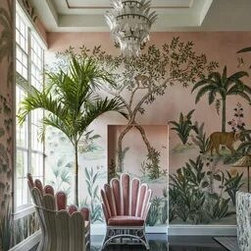
In contemporary interior design, coastal themes continue to evolve beyond familiar clichés. What was once defined by bright sunsets, saturated blues, and postcard-like beach scenes is now being reinterpreted through a more refined and material-driven lens. At the center of this transformation is Palm Tree Art, which is being reshaped to suit modern interiors that value subtlety, texture, and sophistication over literal tropical imagery.
This shift reflects a broader movement in design: a preference for atmosphere over decoration, and emotional depth over visual predictability.
Moving Beyond the Tropical Cliché
Traditional representations of palm trees often rely on obvious visual cues—sun-drenched beaches, vivid greens, and highly saturated skies. While these images remain popular in casual decor, they can feel repetitive and overly literal in contemporary spaces.
Modern Coastal Interior Design challenges this approach by stripping away excess detail and focusing instead on essence. Rather than depicting palm trees as postcard scenes, designers and artists reinterpret them through abstraction, silhouette, and texture.
This evolution allows palm imagery to function less as a theme and more as a design language—one that suggests coastal living without explicitly illustrating it.
Modern Wall Art and Subtle Expression
In today’s interiors, Modern Wall Art plays a central role in shaping atmosphere. It is no longer just decorative—it defines tone, rhythm, and emotional presence within a space.
Reimagined palm compositions often use muted palettes, soft gradients, and reduced forms. Instead of detailed leaves and realistic trunks, the focus shifts to shape, flow, and negative space. This minimalist approach allows the artwork to blend seamlessly into contemporary interiors.
The result is a more sophisticated visual experience—one that feels intentional rather than thematic.
Texture as the New Visual Language
One of the most important developments in contemporary design is the rise of Textured Decor. As interiors become more minimal, texture has become the primary way to introduce depth and interest without visual clutter.
In modern interpretations of Palm Tree Art, texture replaces literal illustration. Raised surfaces, layered paint, and subtle material contrasts suggest palm forms without explicitly defining them. This creates a more sensory experience, where light and shadow become part of the composition.
Texture also ensures that the artwork changes throughout the day. Depending on lighting conditions, the same piece can appear soft and atmospheric or bold and dimensional.
The Refined Tropical Aesthetic
The Tropical Aesthetic has undergone a significant transformation. Once associated with bright, energetic visuals, it is now being refined into something quieter and more architectural.
In this new interpretation, palm trees are no longer symbols of escape in a literal sense. Instead, they become abstract references to rhythm, structure, and natural flow. Colors are softened—earthy greens, sandy neutrals, and desaturated tones replace overly vibrant palettes.
This refinement allows tropical-inspired design to integrate into high-end interiors, minimalist spaces, and contemporary architectural environments without overwhelming them.
Coastal Interior Design and Spatial Harmony
At the core of Coastal Interior Design is the idea of openness and balance. Spaces are designed to feel airy, calm, and connected to natural elements.
Reinterpreted palm imagery supports this philosophy by introducing vertical rhythm and organic flow. The upward movement of palm forms can subtly enhance wall height perception, while abstract compositions soften rigid architectural lines.
Instead of dominating a space, Palm Tree Art enhances spatial harmony. It becomes part of the architectural experience rather than a separate decorative layer.
Minimalism and Emotional Restraint
Minimalist design principles play a major role in the evolution of modern coastal artwork. In many cases, less detail leads to greater emotional impact.
By reducing visual complexity, artists allow viewers to engage more deeply with composition, tone, and texture. A simplified palm silhouette or abstract interpretation can evoke the feeling of coastal environments without directly depicting them.
This restraint is what gives modern Modern Wall Art its sophistication. It communicates through suggestion rather than statement.
The Role of Light and Shadow
Lighting is essential in bringing textured palm-inspired compositions to life. Unlike flat imagery, textured surfaces respond dynamically to light, creating shifting shadows and highlights.
In natural daylight, soft textures emphasize subtle detail and depth. Under artificial lighting, contrast becomes more pronounced, enhancing the sculptural quality of the piece.
This interaction ensures that Textured Decor remains visually engaging throughout the day, constantly adapting to its environment.
Abstraction as Emotional Interpretation
Modern reinterpretations of Palm Tree Art often embrace abstraction as a way to move beyond literal representation. Instead of showing palm trees as objects, artists focus on their essence—movement, rhythm, and silhouette.
This abstraction invites emotional interpretation. Viewers are not told exactly what they are seeing; instead, they are encouraged to feel it. The result is a more personal and flexible experience that adapts to different interior contexts.
In Coastal Interior Design, this emotional openness is especially valuable, as it allows spaces to feel both curated and individual.
Integrating Palm-Inspired Art into Contemporary Spaces
One of the strengths of modern palm-inspired compositions is their versatility. They can be integrated into a wide range of interior styles, from minimalist apartments and luxury villas to boutique hotels and corporate spaces.
Because they avoid overly literal imagery, they do not restrict design direction. Instead, they enhance existing aesthetics while adding subtle natural reference points.
In neutral interiors, they introduce warmth. In more layered spaces, they provide balance and visual breathing room.
Conclusion
The reinvention of palm imagery reflects a broader evolution in contemporary design—one that values subtlety, texture, and emotional resonance over literal representation. Through Palm Tree Art, coastal themes are reimagined in a more refined and architectural way.
Coastal Interior Design provides the structural foundation, while Modern Wall Art ensures emotional and visual balance. The rise of Textured Decor adds depth and material richness, and the evolving Tropical Aesthetic embraces restraint and sophistication.
Ultimately, this new approach transforms palm-inspired design into something timeless and versatile. It moves beyond cliché imagery and instead creates interiors that feel calm, curated, and deeply connected to natural rhythm and form.
This shift reflects a broader movement in design: a preference for atmosphere over decoration, and emotional depth over visual predictability.
Moving Beyond the Tropical Cliché
Traditional representations of palm trees often rely on obvious visual cues—sun-drenched beaches, vivid greens, and highly saturated skies. While these images remain popular in casual decor, they can feel repetitive and overly literal in contemporary spaces.
Modern Coastal Interior Design challenges this approach by stripping away excess detail and focusing instead on essence. Rather than depicting palm trees as postcard scenes, designers and artists reinterpret them through abstraction, silhouette, and texture.
This evolution allows palm imagery to function less as a theme and more as a design language—one that suggests coastal living without explicitly illustrating it.
Modern Wall Art and Subtle Expression
In today’s interiors, Modern Wall Art plays a central role in shaping atmosphere. It is no longer just decorative—it defines tone, rhythm, and emotional presence within a space.
Reimagined palm compositions often use muted palettes, soft gradients, and reduced forms. Instead of detailed leaves and realistic trunks, the focus shifts to shape, flow, and negative space. This minimalist approach allows the artwork to blend seamlessly into contemporary interiors.
The result is a more sophisticated visual experience—one that feels intentional rather than thematic.
Texture as the New Visual Language
One of the most important developments in contemporary design is the rise of Textured Decor. As interiors become more minimal, texture has become the primary way to introduce depth and interest without visual clutter.
In modern interpretations of Palm Tree Art, texture replaces literal illustration. Raised surfaces, layered paint, and subtle material contrasts suggest palm forms without explicitly defining them. This creates a more sensory experience, where light and shadow become part of the composition.
Texture also ensures that the artwork changes throughout the day. Depending on lighting conditions, the same piece can appear soft and atmospheric or bold and dimensional.
The Refined Tropical Aesthetic
The Tropical Aesthetic has undergone a significant transformation. Once associated with bright, energetic visuals, it is now being refined into something quieter and more architectural.
In this new interpretation, palm trees are no longer symbols of escape in a literal sense. Instead, they become abstract references to rhythm, structure, and natural flow. Colors are softened—earthy greens, sandy neutrals, and desaturated tones replace overly vibrant palettes.
This refinement allows tropical-inspired design to integrate into high-end interiors, minimalist spaces, and contemporary architectural environments without overwhelming them.
Coastal Interior Design and Spatial Harmony
At the core of Coastal Interior Design is the idea of openness and balance. Spaces are designed to feel airy, calm, and connected to natural elements.
Reinterpreted palm imagery supports this philosophy by introducing vertical rhythm and organic flow. The upward movement of palm forms can subtly enhance wall height perception, while abstract compositions soften rigid architectural lines.
Instead of dominating a space, Palm Tree Art enhances spatial harmony. It becomes part of the architectural experience rather than a separate decorative layer.
Minimalism and Emotional Restraint
Minimalist design principles play a major role in the evolution of modern coastal artwork. In many cases, less detail leads to greater emotional impact.
By reducing visual complexity, artists allow viewers to engage more deeply with composition, tone, and texture. A simplified palm silhouette or abstract interpretation can evoke the feeling of coastal environments without directly depicting them.
This restraint is what gives modern Modern Wall Art its sophistication. It communicates through suggestion rather than statement.
The Role of Light and Shadow
Lighting is essential in bringing textured palm-inspired compositions to life. Unlike flat imagery, textured surfaces respond dynamically to light, creating shifting shadows and highlights.
In natural daylight, soft textures emphasize subtle detail and depth. Under artificial lighting, contrast becomes more pronounced, enhancing the sculptural quality of the piece.
This interaction ensures that Textured Decor remains visually engaging throughout the day, constantly adapting to its environment.
Abstraction as Emotional Interpretation
Modern reinterpretations of Palm Tree Art often embrace abstraction as a way to move beyond literal representation. Instead of showing palm trees as objects, artists focus on their essence—movement, rhythm, and silhouette.
This abstraction invites emotional interpretation. Viewers are not told exactly what they are seeing; instead, they are encouraged to feel it. The result is a more personal and flexible experience that adapts to different interior contexts.
In Coastal Interior Design, this emotional openness is especially valuable, as it allows spaces to feel both curated and individual.
Integrating Palm-Inspired Art into Contemporary Spaces
One of the strengths of modern palm-inspired compositions is their versatility. They can be integrated into a wide range of interior styles, from minimalist apartments and luxury villas to boutique hotels and corporate spaces.
Because they avoid overly literal imagery, they do not restrict design direction. Instead, they enhance existing aesthetics while adding subtle natural reference points.
In neutral interiors, they introduce warmth. In more layered spaces, they provide balance and visual breathing room.
Conclusion
The reinvention of palm imagery reflects a broader evolution in contemporary design—one that values subtlety, texture, and emotional resonance over literal representation. Through Palm Tree Art, coastal themes are reimagined in a more refined and architectural way.
Coastal Interior Design provides the structural foundation, while Modern Wall Art ensures emotional and visual balance. The rise of Textured Decor adds depth and material richness, and the evolving Tropical Aesthetic embraces restraint and sophistication.
Ultimately, this new approach transforms palm-inspired design into something timeless and versatile. It moves beyond cliché imagery and instead creates interiors that feel calm, curated, and deeply connected to natural rhythm and form.
Project Year: 2026
Project Cost: Less than AUD 1,000