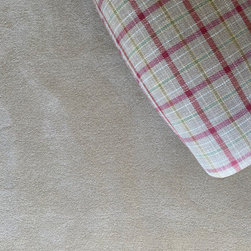


Synthetic or wool? Our customer had both.
Synthetic vs Wool Carpet installation in Cambridge Riverside Apartment
When you’re looking at options for flooring in your home, carpet is an incredibly popular option and has been for years. It’s soft and cosy, and can really lift the look of a room.
However, there is a such a huge range on the market that it can be difficult to know what to go for; wool, man-made or maybe a mix?
Can the look help you choose?
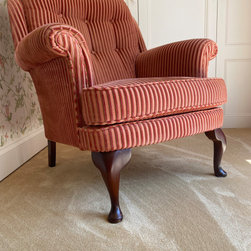
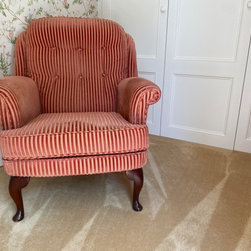
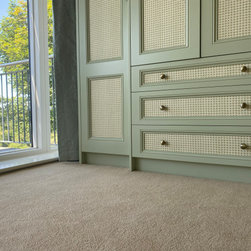
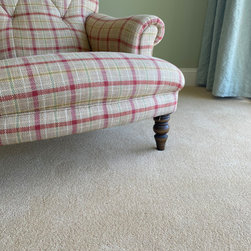
The pictures featured in this article show a home where the customer chose to have Synthetic and Wool carpets in different areas. They wanted hardwearing for the study and plush and luxurious for the master bedroom. Can you tell which is synthetic and which is wool though?
To look at, it is sometimes hard to tell which is wool and which is synthetic.
If you can't use looks as a differentiator, then think about your requirements in a carpet.
Start with your needs
Perhaps the best place to start is by thinking about your needs, your lifestyle and who lives in your home.
Do you have children and pets, is there a chance that things may get spilt? Do you want short term or a long term carpet? These are some of the considerations to bear in mind when choosing your carpet.
When you know what you need from the carpet, then you can start to think about whether synthetic or wool will best meet your requirements.
Pros of synthetics
Synthetics are manmade from polypropylene, polyester or nylon.
If you have children and pets then staining will be a concern for you so a synthetic would be a good choice as it comes treated with levels of stain resistance and can resist water based spills. No carpet is entirely mark proof but if there was a spill that wasn’t immediately cleaned you may still have a chance of cleaning up a synthetic carpet with heavy spot treatment as stains cannot permeate synthetic fibres as easily as they can wool. Polypropylene is the most stain resistant of the manmade carpets.
Synthetics are incredibly soft underfoot so can offer that feel of luxury and they are available in a large range of colours as they are dyed, and don’t tend to fade.
Synthetic carpets are also a cheaper option and they are also resistant to mould and mildew.
Cons of synthetics
Nylons are fairly crush resistant and don’t flatten too much, however polypropelenes and polyester carpets are not as resilient and are prone to crushing, flattening with use, and pilling so will look less good over time.
They are susceptible to oil based stains.
Pros of wool
If you are looking for a carpet that is hardwearing and that will last, retaining an excellent appearance, and you don’t have pets or children then wool would be a great choice.
Wool naturally bounces back and is hard wearing, withstanding the weight of footfall and furniture so looks good for longer.
Wool is easy to clean, as its natural oils offer an inbuilt resistance to soiling and dirt and they can be stain guarded to add further protection.
Wool is also soft underfoot so is a popular choice for homes, especially in rooms where people like to be barefoot and it offers great insulation both in terms of sound insulation and keeping your house warm, potentially lowering heating bills.
It comes from a sustainable source and is 100% natural and it is also a natural air dehumidifier and purifier as the fibres catch moisture and dirt floating in the air which can just then be hoovered up.
It is also naturally flame retardant and won’t melt.
The Cons of Wool Carpet
Whilst wool is stain resistant naturally, if marks are left they will eventually soak in, making them more difficult to remove.
Being natural it is great food for moths and carpet beetle larvae, though insecticide treatments can help to prevent the problem.
Wool fibres can be damaged by alkaline substances found in some detergents so you need to ensure you use the correct cleaning solutions so as not to create further spoiling.
It's more expensive than its synthetic competition.
To learn more about wool, please look at this case study on wool carpets.
Interesting to know
Not that you would plan to burn your carpet but an interesting way to identify if a carpet is wool is to take a sample outdoors holding in a pair of tongs, light the fibres with a lighter. If they melt and smell like burning plastic, your carpet is synthetic. If they crumble and smell like burning hair, it is wool.
The third option
If you can’t decide and want the best of both worlds why not opt for a mix carpet instead? These give a mix of wool and synthetic fibres, and usually come in an 80%-20% mix. This gives you all the luxurious feel of wool underfoot, resistance and insulation, teamed with the stain-resistant properties of man-made fibres.
We hope this has offered an insight in to the choice available to you and as ever should you wish to discuss your flooring options please don’t hesitate to contact us!
When you’re looking at options for flooring in your home, carpet is an incredibly popular option and has been for years. It’s soft and cosy, and can really lift the look of a room.
However, there is a such a huge range on the market that it can be difficult to know what to go for; wool, man-made or maybe a mix?
Can the look help you choose?
The pictures featured in this article show a home where the customer chose to have Synthetic and Wool carpets in different areas. They wanted hardwearing for the study and plush and luxurious for the master bedroom. Can you tell which is synthetic and which is wool though?
To look at, it is sometimes hard to tell which is wool and which is synthetic.
If you can't use looks as a differentiator, then think about your requirements in a carpet.
Start with your needs
Perhaps the best place to start is by thinking about your needs, your lifestyle and who lives in your home.
Do you have children and pets, is there a chance that things may get spilt? Do you want short term or a long term carpet? These are some of the considerations to bear in mind when choosing your carpet.
When you know what you need from the carpet, then you can start to think about whether synthetic or wool will best meet your requirements.
Pros of synthetics
Synthetics are manmade from polypropylene, polyester or nylon.
If you have children and pets then staining will be a concern for you so a synthetic would be a good choice as it comes treated with levels of stain resistance and can resist water based spills. No carpet is entirely mark proof but if there was a spill that wasn’t immediately cleaned you may still have a chance of cleaning up a synthetic carpet with heavy spot treatment as stains cannot permeate synthetic fibres as easily as they can wool. Polypropylene is the most stain resistant of the manmade carpets.
Synthetics are incredibly soft underfoot so can offer that feel of luxury and they are available in a large range of colours as they are dyed, and don’t tend to fade.
Synthetic carpets are also a cheaper option and they are also resistant to mould and mildew.
Cons of synthetics
Nylons are fairly crush resistant and don’t flatten too much, however polypropelenes and polyester carpets are not as resilient and are prone to crushing, flattening with use, and pilling so will look less good over time.
They are susceptible to oil based stains.
Pros of wool
If you are looking for a carpet that is hardwearing and that will last, retaining an excellent appearance, and you don’t have pets or children then wool would be a great choice.
Wool naturally bounces back and is hard wearing, withstanding the weight of footfall and furniture so looks good for longer.
Wool is easy to clean, as its natural oils offer an inbuilt resistance to soiling and dirt and they can be stain guarded to add further protection.
Wool is also soft underfoot so is a popular choice for homes, especially in rooms where people like to be barefoot and it offers great insulation both in terms of sound insulation and keeping your house warm, potentially lowering heating bills.
It comes from a sustainable source and is 100% natural and it is also a natural air dehumidifier and purifier as the fibres catch moisture and dirt floating in the air which can just then be hoovered up.
It is also naturally flame retardant and won’t melt.
The Cons of Wool Carpet
Whilst wool is stain resistant naturally, if marks are left they will eventually soak in, making them more difficult to remove.
Being natural it is great food for moths and carpet beetle larvae, though insecticide treatments can help to prevent the problem.
Wool fibres can be damaged by alkaline substances found in some detergents so you need to ensure you use the correct cleaning solutions so as not to create further spoiling.
It's more expensive than its synthetic competition.
To learn more about wool, please look at this case study on wool carpets.
Interesting to know
Not that you would plan to burn your carpet but an interesting way to identify if a carpet is wool is to take a sample outdoors holding in a pair of tongs, light the fibres with a lighter. If they melt and smell like burning plastic, your carpet is synthetic. If they crumble and smell like burning hair, it is wool.
The third option
If you can’t decide and want the best of both worlds why not opt for a mix carpet instead? These give a mix of wool and synthetic fibres, and usually come in an 80%-20% mix. This gives you all the luxurious feel of wool underfoot, resistance and insulation, teamed with the stain-resistant properties of man-made fibres.
We hope this has offered an insight in to the choice available to you and as ever should you wish to discuss your flooring options please don’t hesitate to contact us!